
The meter on a McIntosh MC501 is large enough to watch from across a room. On a quiet record the hand can look surprisingly idle, which raises a fair question about this 500-watt monoblock. What are you buying on the many evenings when the speaker is asking for a fraction of its rated output? Having used a pair with two quite different sets of floorstanders, I would start with the clarity and balance I enjoyed at everyday levels. The power was there when the music asked for it.
My pair worked with Bowers & Wilkins 802 Diamond speakers, the PS Audio PerfectWave DAC and Transport, and the P10 power regenerator. Later came the Wilson Audio Sasha V2 speakers and McIntosh C220 preamplifier, with the PS Audio components staying in the system. The C220 and MC501s made a valve preamp and solid-state power amplifier combination. Each MC501 handled its own speaker.
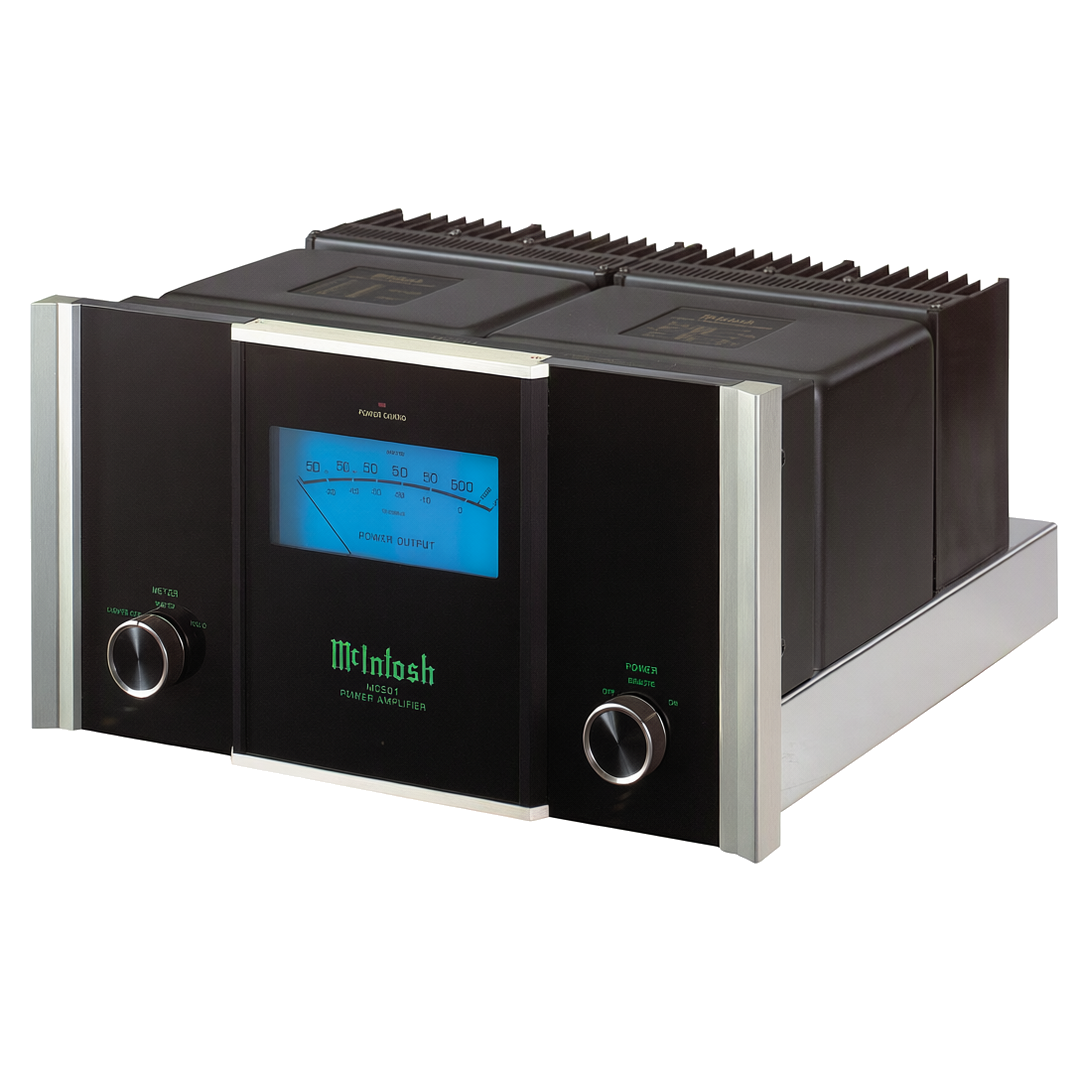
What the meter can show you
The blue meters are an obvious part of the attraction. They also give you something useful to watch as the music changes, responding to peaks rather than merely decorating the front panel. Peak Hold lets the pointer linger at the highest reading. If the illumination distracts you, switch it off; the meter itself continues working. Straightforward operation was one of the things I liked about these amplifiers. You don’t need a complicated front panel to enjoy a substantial piece of equipment.
A peak reading is interesting partly because it can be over by the time you think to look up. It also needs some context. The meter shows what the amplifier is doing electrically, while the sound pressure at the chair depends on the loudspeaker, its position and the distance to the listener. Two speakers connected to the same model of amplifier can give you quite different experiences at similar meter readings. I’d use the display to learn a little about my records and set the volume with my ears.
The sound has a relaxed quality without letting the bass become lazy. Voices carry some weight, and small changes in emphasis still come through. It’s an enjoyable balance between control and ease. Someone chasing the finest possible outline around every small detail might want a different presentation, but that doesn’t cancel the appeal of an amplifier that lets the performance hang together. My enthusiasm was for the clear, dynamic sound, rather than a promise that it could do absolutely everything.
Behind it, the Autoformer is central to the design. It matches the output stage to the chosen speaker connection, with separate terminals for different loads. Pick the connection using the speaker information and McIntosh’s instructions. The terminals aren’t interchangeable decorations, and an Autoformer doesn’t make every speaker an identical electrical load. There’s a choice of RCA or balanced XLR input as well, selected by a switch.
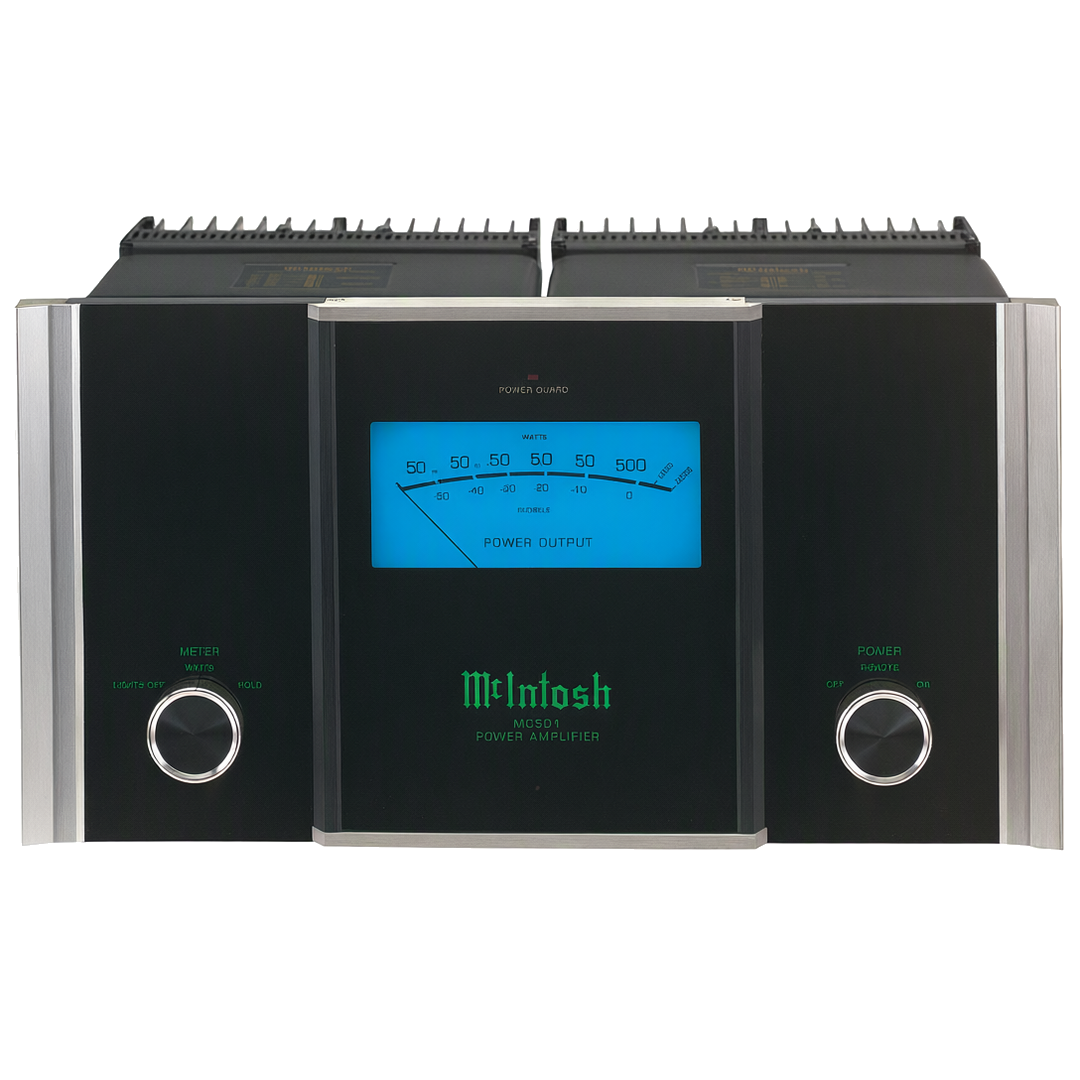
Space between notes, then the force of a groove
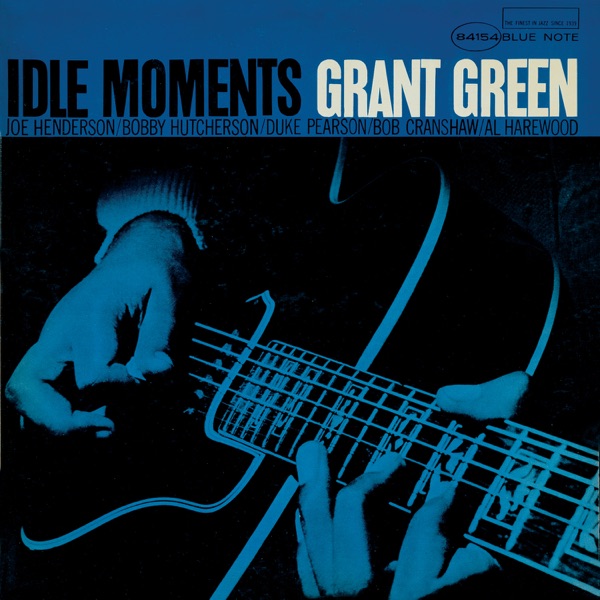
Album: Idle Moments
Artist: Grant Green
Track: “Idle Moments”
Source: CD
Format: PCM · 16-bit / 44.1 kHz
For an audition, I’d take a familiar CD of Grant Green’s Idle Moments. Start with the title track and let its unhurried pace settle. Green’s guitar shares space with Bobby Hutcherson’s vibraphone and Joe Henderson’s tenor; following those different sounds is more interesting than watching the meter throughout the piece. Give the rhythm section some attention too, without losing the thread of the tune.
Then try “Jean de Fleur” for a change of pace. Use the level you enjoy at home. A big pair of monoblocks should still give you a reason to stay in the chair when the music is playing quietly.
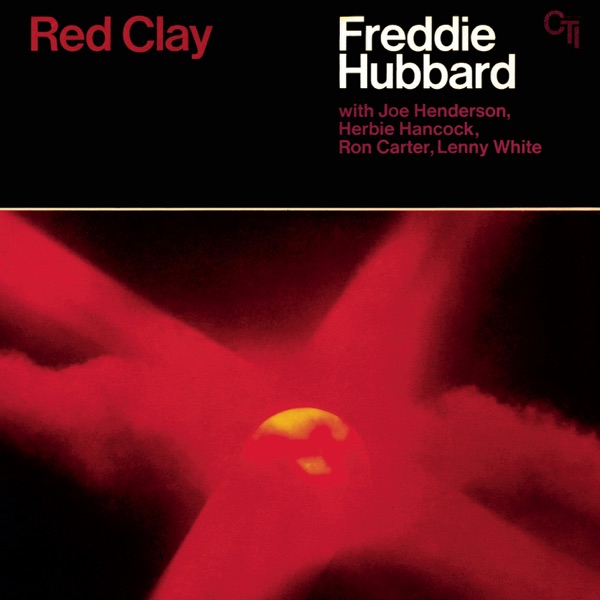
Album: Red Clay
Artist: Freddie Hubbard
Track: “Red Clay”
Source: CD
Format: PCM · 16-bit / 44.1 kHz
Freddie Hubbard’s “Red Clay” makes the complementary case. Start by catching the repeating bass figure and then keep it in your ear as the trumpet draws your attention upwards. I’d use the head of the tune to get the level comfortable and leave it there when the playing gathers force. What interests me is whether the bass keeps its shape behind a louder horn line, and whether a keyboard accent can still take you by surprise. A whole band playing with confidence is a more interesting test of headroom than a succession of isolated loud notes.
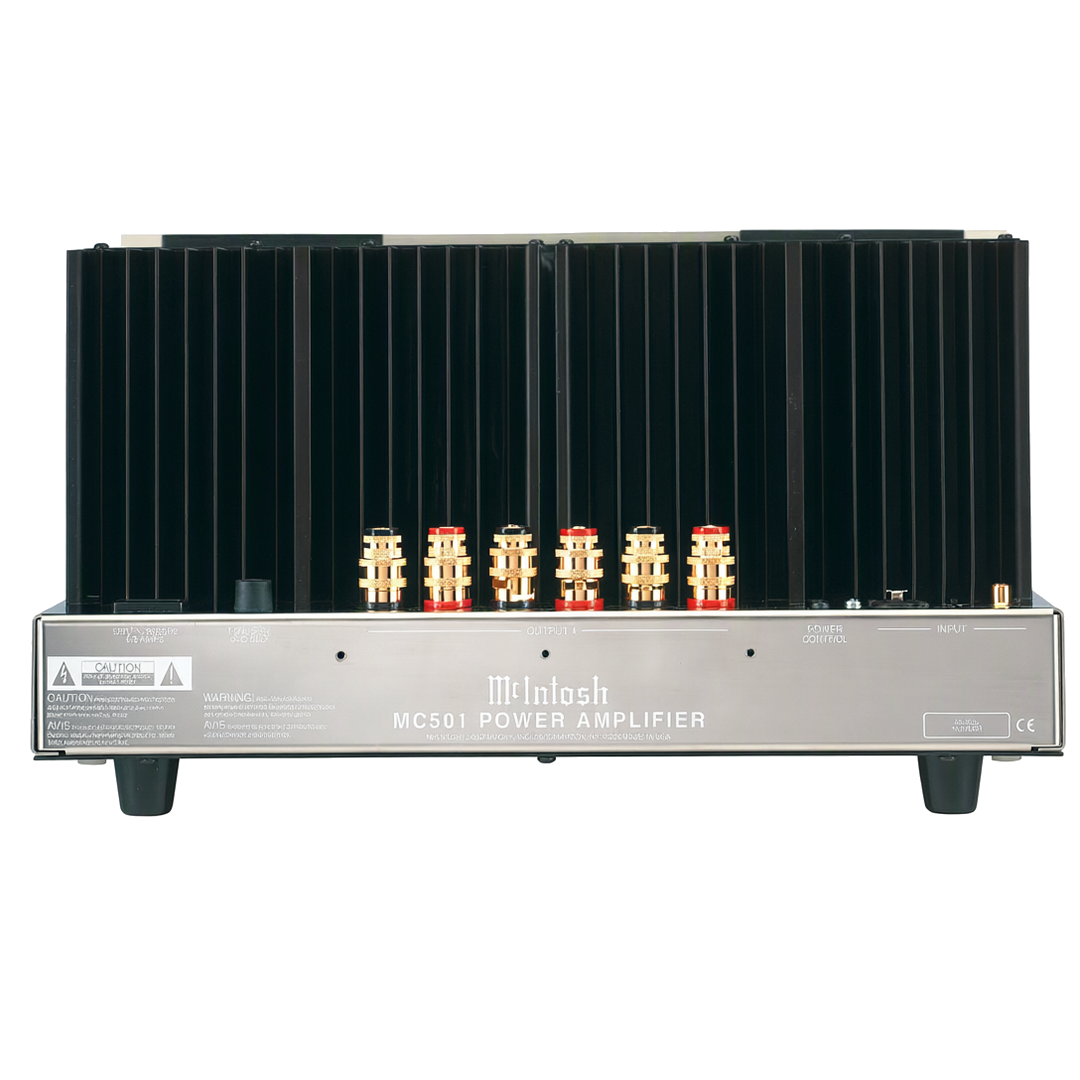
Two chassis and three output taps
Power Guard watches the relationship between the incoming and outgoing signal, reducing drive when clipping threatens. It isn’t there to flatten the dynamics of normal playback. Thermal protection is a separate matter, and neither feature excuses poor ventilation. These are heavy boxes, so sort out the support and access before connecting them. Good build quality was another strong point for me, but even substantial equipment deserves sensible installation.
McIntosh rates the MC501 for the same 500 watts into two, four or eight ohms through the corresponding tap. That is why the rear terminals matter when an owner changes loudspeakers. Check their nominal impedance and the instructions before moving the leads. A number on a speaker’s plate is a starting point, and a loudspeaker’s impedance varies with frequency. Write down which connection you used if you are making a comparison. Otherwise an evening spent listening to a different speaker might also be an evening spent listening to a different connection.
I liked the MC501s with the 802 Diamonds and carried them forward to the Sasha V2 system. Their appeal was the ability to give a performance weight and dynamic freedom while keeping quieter playing clear. If I were deciding again, I’d spend more of the demonstration with Grant Green than with my eyes on Peak Hold. The watts explain what these amplifiers can supply. The quiet guitar phrases tell me whether I want to listen to them every day.
Specifications
Manufacturer specifications for one MC501 monoblock. Output ratings apply to the matching Autoformer speaker connection.
| Specification | Details |
|---|---|
| Type | Solid-state monoblock power amplifier with output Autoformer |
| Continuous output | 500 W into 2 Ω, 4 Ω or 8 Ω using the corresponding output connection, 20 Hz–20 kHz |
| Inputs | 1 RCA and 1 balanced XLR input, selectable |
| Frequency response | 20 Hz–20 kHz, +0/−0.25 dB; 10 Hz–100 kHz, +0/−3 dB |
| Total harmonic distortion | 0.005% maximum from 250 mW to rated output into 2 Ω, 4 Ω or 8 Ω |
| Dynamic headroom | 1.8 dB |
| Input sensitivity | 2.1 V unbalanced; 4.2 V balanced |
| Input impedance | 10 kΩ unbalanced; 20 kΩ balanced |
| Damping factor | 100 at 8 Ω |
| Protection | Power Guard, Sentry Monitor and thermal protection |
| Front-panel size (W × H) | 444.5 × 223.8 mm |
| Depth | 376.2 mm including front panel and knobs |
| Net weight | 41.6 kg per monoblock |