
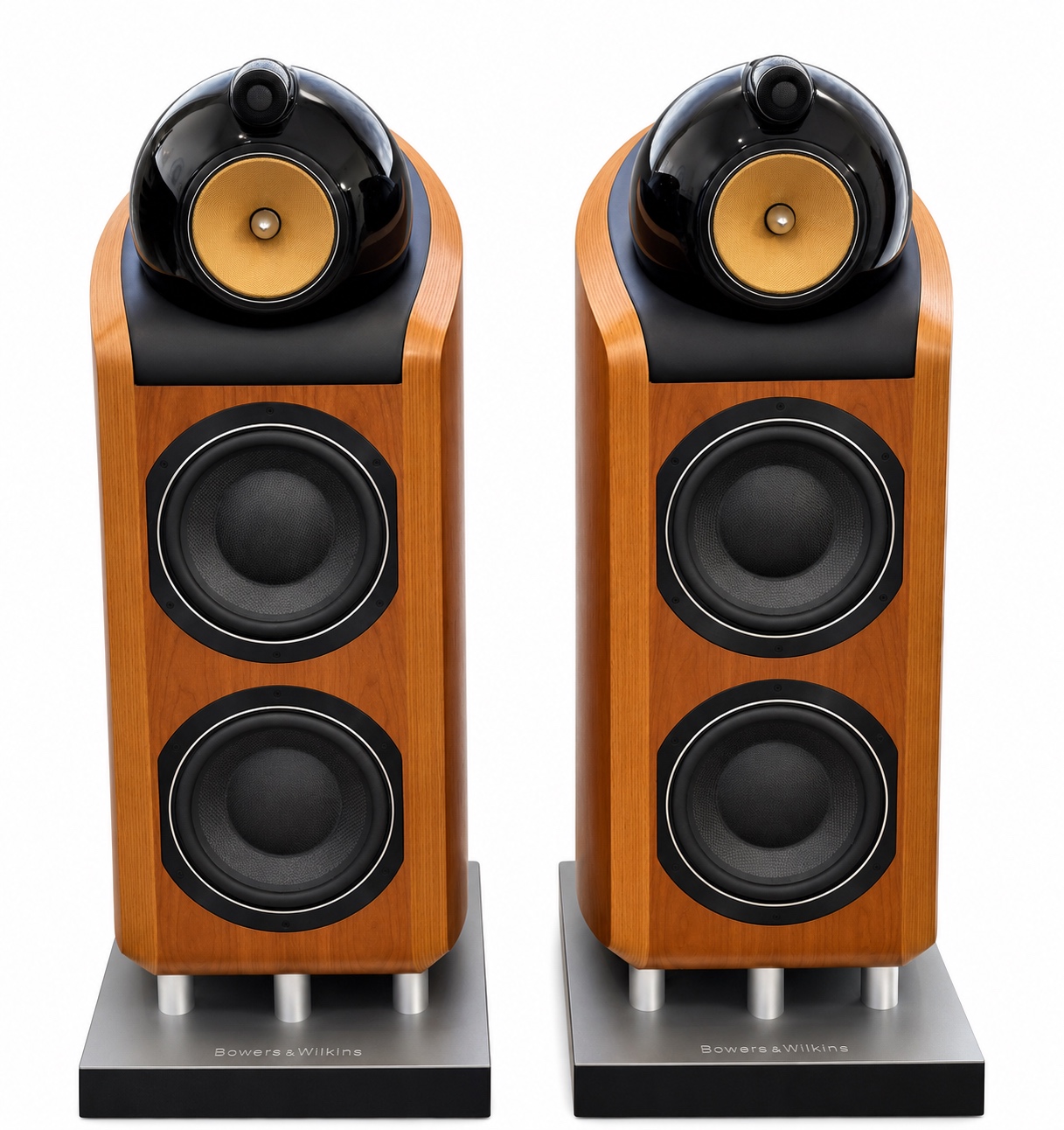
The original Bowers & Wilkins 800D is a 125 kg loudspeaker with a pair of 250 mm bass drivers in each cabinet. Nobody looking at it is likely to ask whether it can make itself felt. The interesting question is whether an instrument playing down near the floor of the recording still sounds like somebody playing a tune. That was what I liked about my pair. There was real weight to the bass, and I could hear where the player was going with it.
Mine worked with Classé M400 monoblocks, the CDP-202 CD player and CP-700 preamplifier. That was a substantial system. The Classé pairing belongs to this speaker’s story, because the amplifier matters when you ask the 800D to keep a busy passage together. There’s more to that than getting it loud. Give the electronics as much thought as the loudspeakers, especially if you’re putting a system together around a used pair.
Where the bass ends and the band begins
What I enjoy about the sound is the width of the stage and the detail within it. The bass gives a band a solid foundation, but the other players need room as well. Let that bottom end turn into an indistinct rumble and much of the pleasure goes with it. The 800D’s bass control, smooth midrange and clear highs are what I like about the way it puts music across.
Take a walking bass part. There are usually four fairly distinct events to a bar, and the interest lies partly in how the player gets from one chord to the next. If one note sets the room ringing, the next one has to start while the previous pitch is still hanging about. More output makes that quite spectacular. It also makes it surprisingly difficult to hum the line afterwards. I’d give that simple musical test at least as much weight as the impression of extension on the first big note.
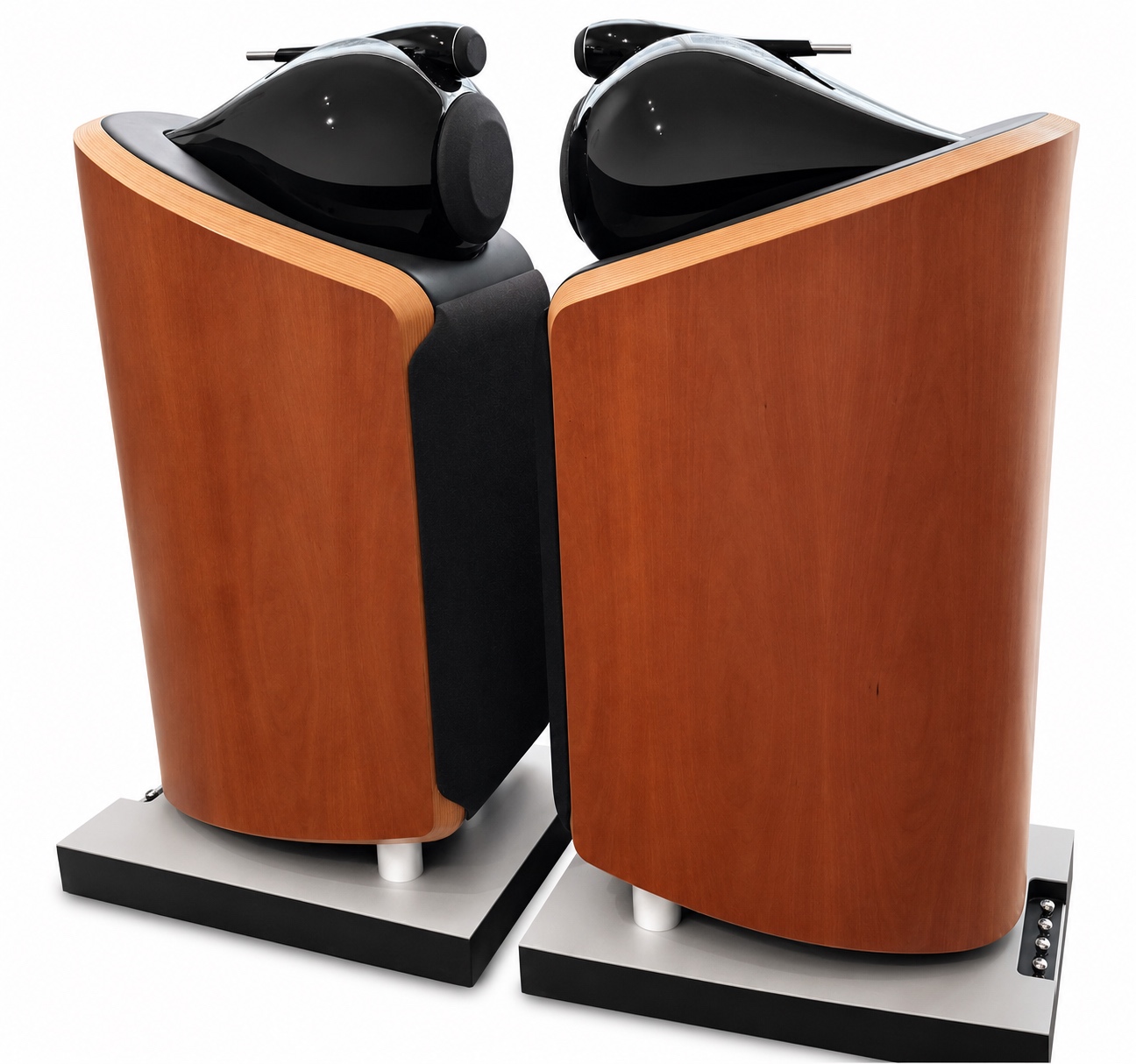
They’re imposing things. The curved cabinet, separate midrange head and tweeter on top are familiar B&W, right down to the yellow Kevlar cone. The bass drivers use Rohacell cones, with the port opening down towards the plinth. The crossover lives down there too. You can appreciate the engineering and still enjoy the shape for what it is. These aren’t speakers that disappear into the furniture.
It does have a calmer side. Vocals can sit further back, and some listeners will want them brought forward a little. There can be a trace of cabinet character through the midrange too. Spend time with voices before deciding whether that bothers you. You don’t have to dislike a speaker to hear its limitations. For me, there’s still plenty to enjoy in the smoothness and detail here.
Two records for the lower octaves
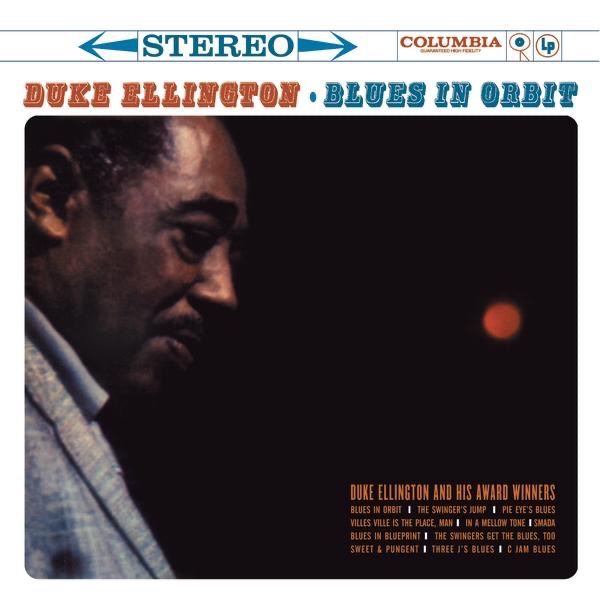
Album: Blues in Orbit
Artist: Duke Ellington
Track: “Three J’s Blues”
Source: CD
Format: Stereo PCM · 16-bit / 44.1 kHz
Duke Ellington’s Blues in Orbit puts the 800D’s scale into a useful musical context. On “Three J’s Blues”, Jimmy Hamilton’s tenor stands in front of a band with its own movement and weight. The lead line should remain easy to follow without the accompaniment shrinking to a backdrop. This is why the broad stage and controlled bass appeal to me: the size belongs to the ensemble, while the individual parts retain their place. The CD also keeps the discussion grounded in the recording, with no change of format or mastering midway through the comparison.
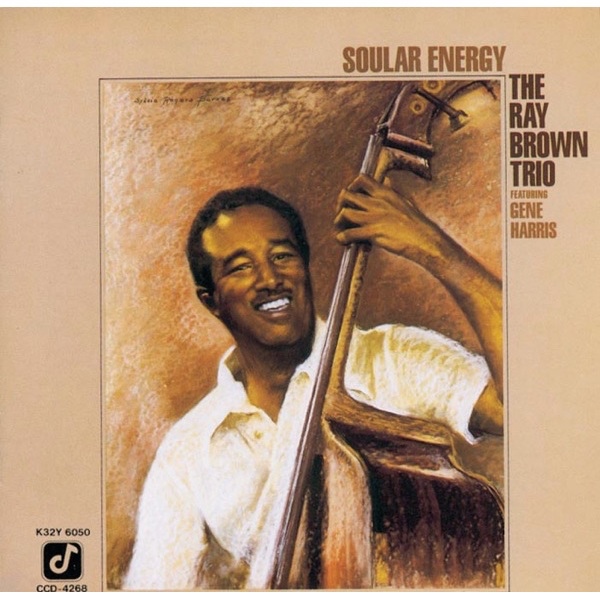
Album: Soular Energy
Artist: Ray Brown Trio
Track: “Exactly Like You”
Source: CD
Format: Stereo PCM · 16-bit / 44.1 kHz
The Ray Brown Trio’s Soular Energy shifts the responsibility for keeping time to a much smaller group. “Exactly Like You” places Brown’s bass alongside Gene Harris’s piano, with enough activity in the lower register to distinguish weight from definition. An isolated pluck can sound wonderfully woody while the line that follows becomes difficult to track. What matters is hearing the pitch change as Harris continues to play. That is the musical value of the 800D’s substantial bottom end for me. The bass supports the performance, and the smooth midrange lets the piano remain part of the same conversation.
What a used pair asks of the room
An 800D is 645 mm deep before you leave space for the cable. Measure that out from the wall and sit where you usually listen. It changes one’s idea of a sensible starting position rather more effectively than looking at the cabinet straight on. I’d find a couple of workable positions before moving either speaker, then listen to the two records from the same seat in each position. The changes you can achieve in a room cost more physical effort than money with a pair this heavy.
The diamond tweeter is part of that enjoyment. I like hearing detail without harshness, with enough clarity to follow the texture of an instrument. That doesn’t mean every recording will be equally kind. The choice of mastering still matters, and a hard-sounding release is worth questioning before you decide the whole system needs changing. Keep the same edition when comparing equipment; otherwise you’ve changed the music going into it as well.
The amplifier also deserves a look beyond the headline sensitivity of 90 dB. The nominal eight-ohm load reaches a minimum of 3.1 ohms. Those numbers answer different questions about how loudly the speaker will play for a given voltage and how much current it asks the amplifier to supply. Classé monoblocks were the context for my impressions. Someone coming to these speakers with a different amplifier would do well to try the combination together before committing to the logistics of taking them home.
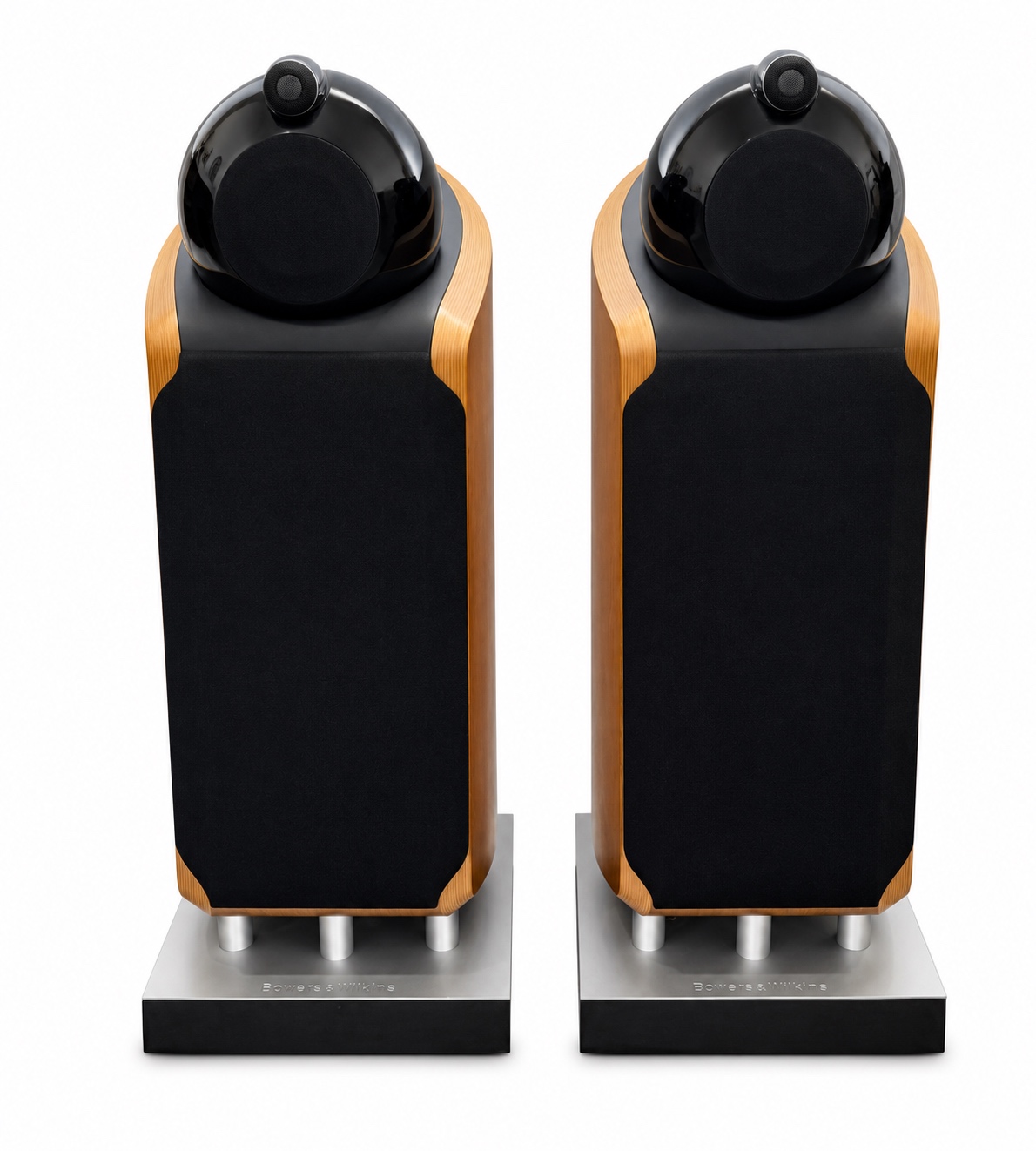
The reason I’d go to that trouble is the way the bottom end supports the rest of the performance. With the 800D I enjoyed a wide stage, real bass weight and enough definition to follow an instrument into the next bar. If your room lets you hear those three things together at a comfortable level, the scale of these loudspeakers starts to make sense. If the room only gives you the weight, there is still work to do.
Specifications
Manufacturer specifications for the original 800D.
| Specification | Details |
|---|---|
| Type | Three-way, vented-box floorstanding loudspeaker |
| Tweeter | 25 mm diamond dome |
| Midrange | 150 mm woven-Kevlar FST cone |
| Bass drivers | Two 250 mm Rohacell cones |
| Crossover frequencies | 350 Hz and 4 kHz |
| Frequency response | 32 Hz–28 kHz, ±3 dB on reference axis |
| Frequency range | −6 dB at 25 Hz and 33 kHz |
| Sensitivity | 90 dB SPL, 2.83 V at 1 m |
| Impedance | 8 Ω nominal; 3.1 Ω minimum |
| Recommended amplification | 50–1,000 W into 8 Ω with unclipped programme |
| Dimensions — H × W × D | 1,180 × 450 × 645 mm, excluding feet |
| Weight | 125 kg each |
| Finishes | Cherrywood, Rosenut, Black Ash |