
I love the way Bill Evans, Eddie Gomez and Marty Morell work together on Evans in England. They take turns leading and supporting, picking up one another’s ideas as they go. Evans has all the technique you could want, but it’s the feeling in his playing that gets me. The intricate runs never seem to cost him the melody.
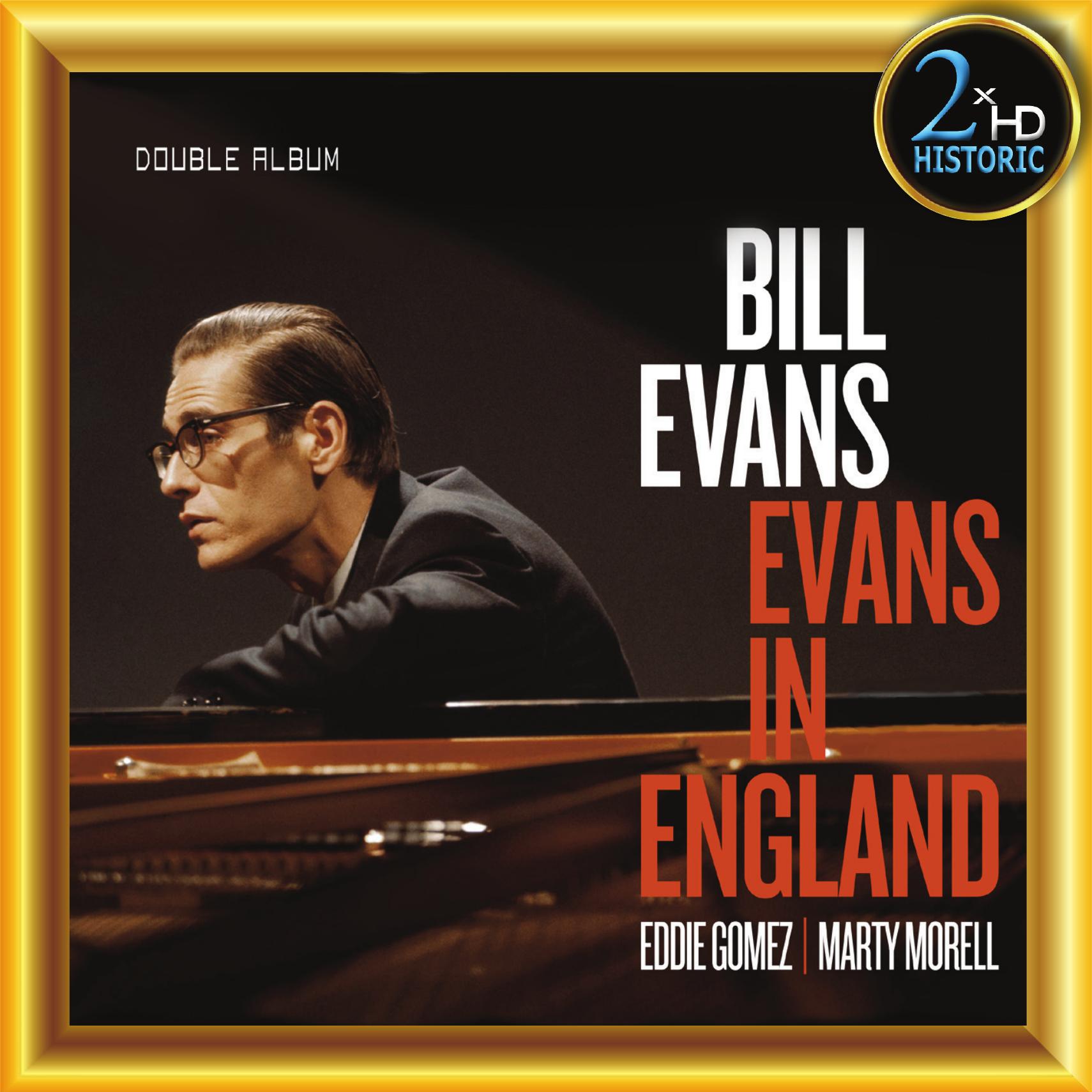
This trio was playing at Ronnie Scott’s in London in December 1969. A French fan known as Jo took a portable recorder along, and Evans eventually allowed him to tape the performances. There’s something rather wonderful about that. A listener cared enough to capture the music, and we can now hear a group that would stay together until 1974, caught quite early in its life.
The tapes took a long route to release. In 2016, Jo contacted his friend Leon Terjanian because he wanted other people to hear them. Terjanian approached Resonance Records, which arranged a release with the Evans Estate. The recordings finally came out in 2019. Knowing that history makes the immediacy of the music all the more striking to me.
I’m listening to the 2xHD digital edition, identified here as the 2019 release in 24-bit/192 kHz FLAC. I find its clarity and depth stunning. Evans’s piano comes through beautifully, and I get that lovely sense of being in the room with the trio. The bass and drums are part of that impression, every bit as much as the piano.
Evans’s mother couldn’t hear Bill over the drums after a Washington gig. Too loud, she told Morell. During the London run later that year, he swapped his Zildjians for Paiste flat-rides without bells. Morell said their quieter sound let him dig in and keep time without overpowering the piano.
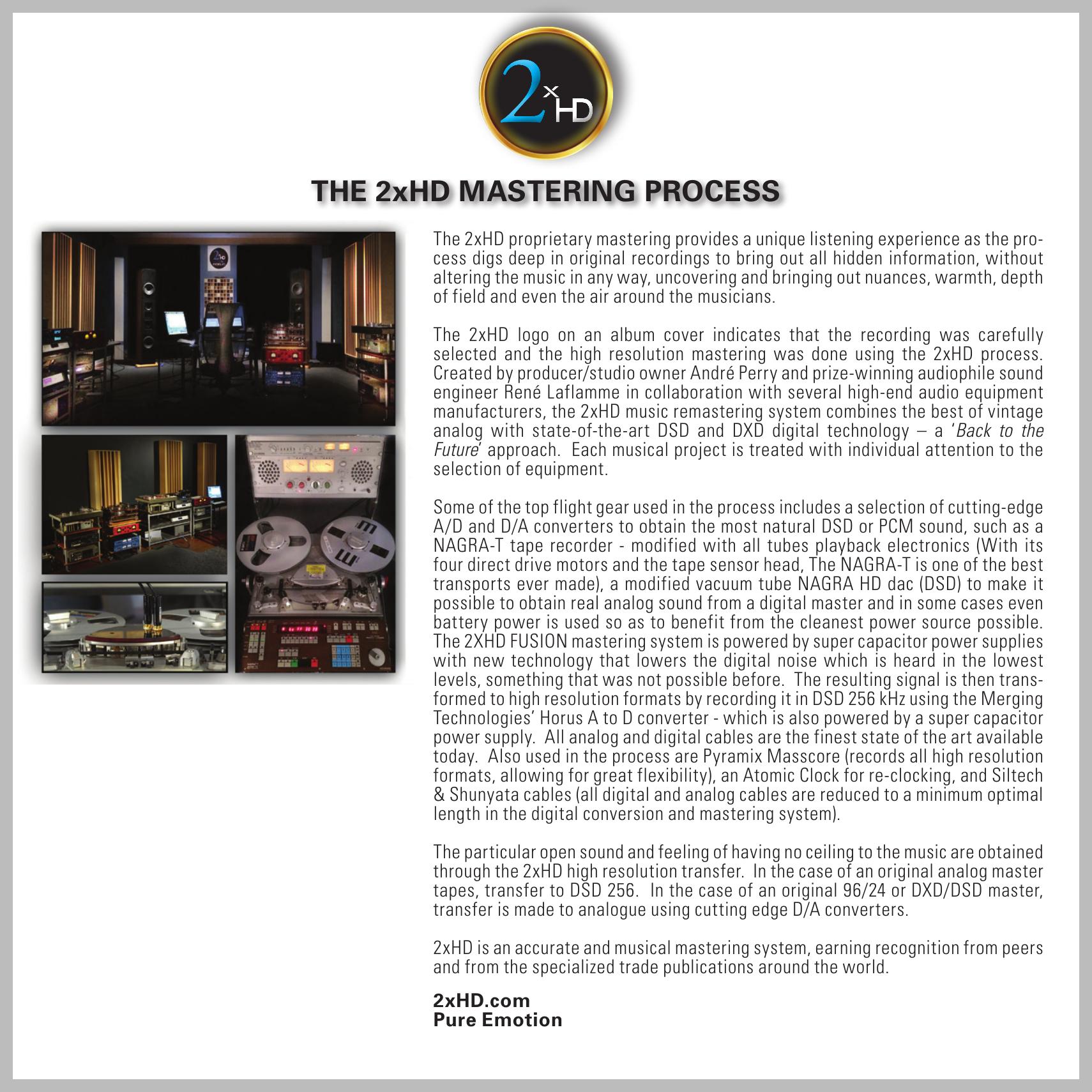
This is where choosing a release matters. A high-resolution file tells you how the audio is delivered, but the work done before it reaches you matters enormously. The booklet describes a mastering approach that combines analogue equipment with high-resolution conversion. That interest in the transfer and mastering is relevant to me when choosing music for a capable system. The numbers on the file are only part of the story.
Take Evans’s movement between a delicate melody and a strong chord. Too much compression in mastering can narrow the difference between quiet and loud, and soften the initial attack of a note. Those changes affect expression. I want to hear the range in his playing, not have everything pushed towards the same level. Turning up a flattened master won’t put that movement back.
A poorly pressed record can get in the way differently, with persistent noise or clicks intruding on the music. And calling a CD reissue “deluxe” doesn’t tell us whether its mastering was handled well. A good CD deserves its hearing too. I’m interested in how well the release serves the performance, whether it arrives on a disc or as a file.
The choice of music helps here. “Waltz for Debby” sits among standards and other Evans compositions, while “Sugar Plum” and “The Two Lonely People” are among the earliest recordings of those pieces. There’s plenty of room for the delicate melodies and powerful chords I enjoy in Evans’s playing. He makes the tunes feel fresh.
Give Gomez and Morell some attention as well. The way all three musicians build on each other’s ideas is what makes this recording such a pleasure for me. Evans’s name is on the cover, but there are three people doing the work.