
Bowers & Wilkins
804 D5.
A new aluminium midrange enclosure and revised cabinet bracing define the Bowers & Wilkins 804 D5’s development from the 804 D4.
The Bowers & Wilkins 804 D5 gives its midrange driver an internal aluminium enclosure. It is a less conspicuous change than a new cone material, but it addresses how the midrange assembly meets the surrounding cabinet. The manufacturer describes the chamber as providing isolation and a consistent mechanical decoupling point, borrowing an approach associated with the larger models’ Turbine Heads.
Announced in 2026, the 804 D5 replaces the 804 D4 as the smallest three-way floorstander in the 800 Series Diamond range. It is crafted in Worthing, England, alongside the range’s other models. The separate aluminium midrange chamber is the model-specific development at the heart of its story, within a wider programme of cabinet, motor and crossover revisions.
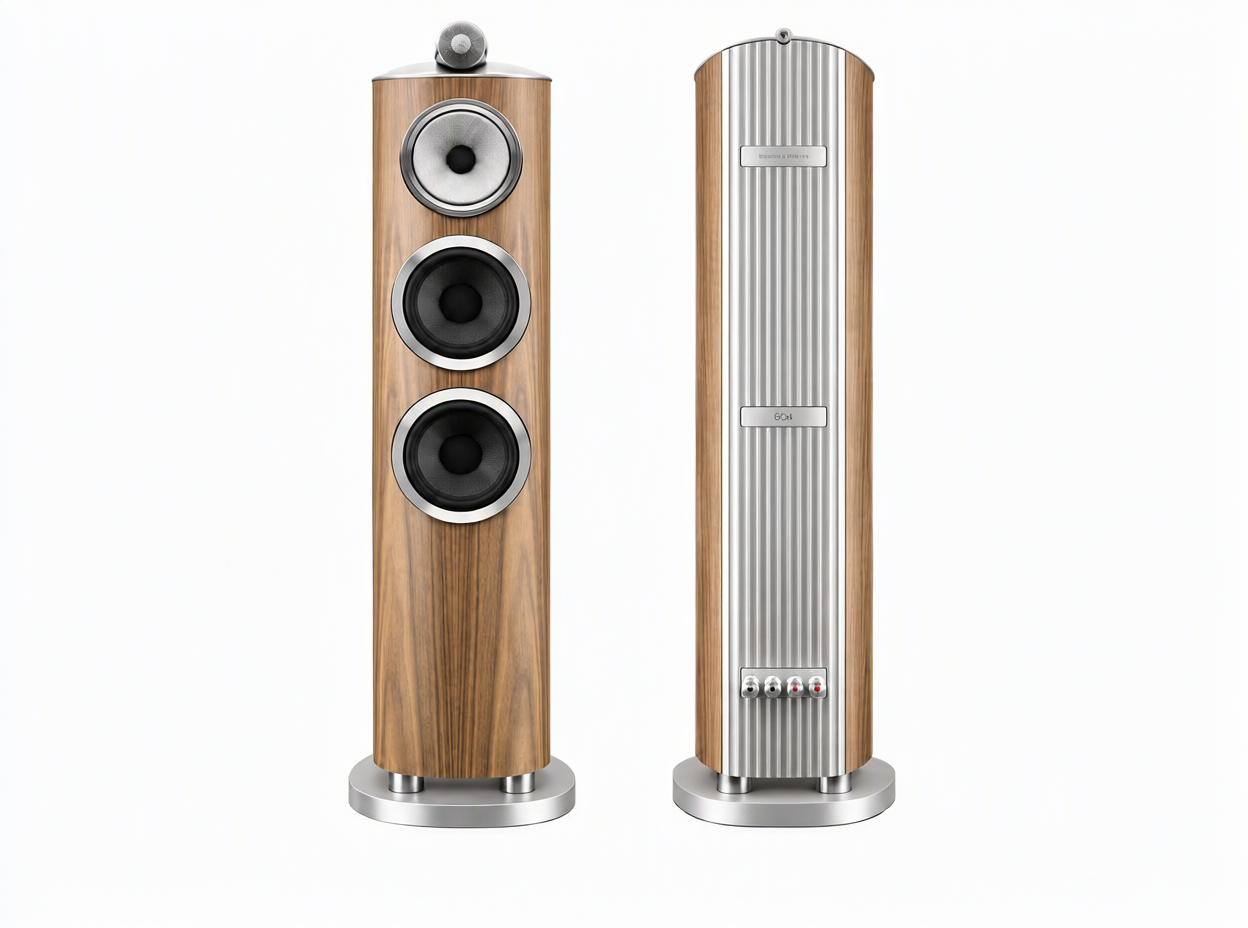
An enclosure within the enclosure
The Continuum FST midrange remains a 130 mm unit. What changes is the structure around it: the new aluminium enclosure establishes a defined mounting and decoupling arrangement within the main cabinet. Bowers & Wilkins attributes a more open spatial presentation to this isolation. The claimed outcome belongs to the manufacturer’s explanation of the mechanical design.
This does not introduce Continuum or FST to the range for the first time. Instead, the D5 develops the supporting architecture around established driver technologies. The 804 keeps its midrange within the main floorstanding cabinet, while adopting an enclosure concept drawn from the separate heads used higher in the range. That distinction explains both the inheritance and the change.
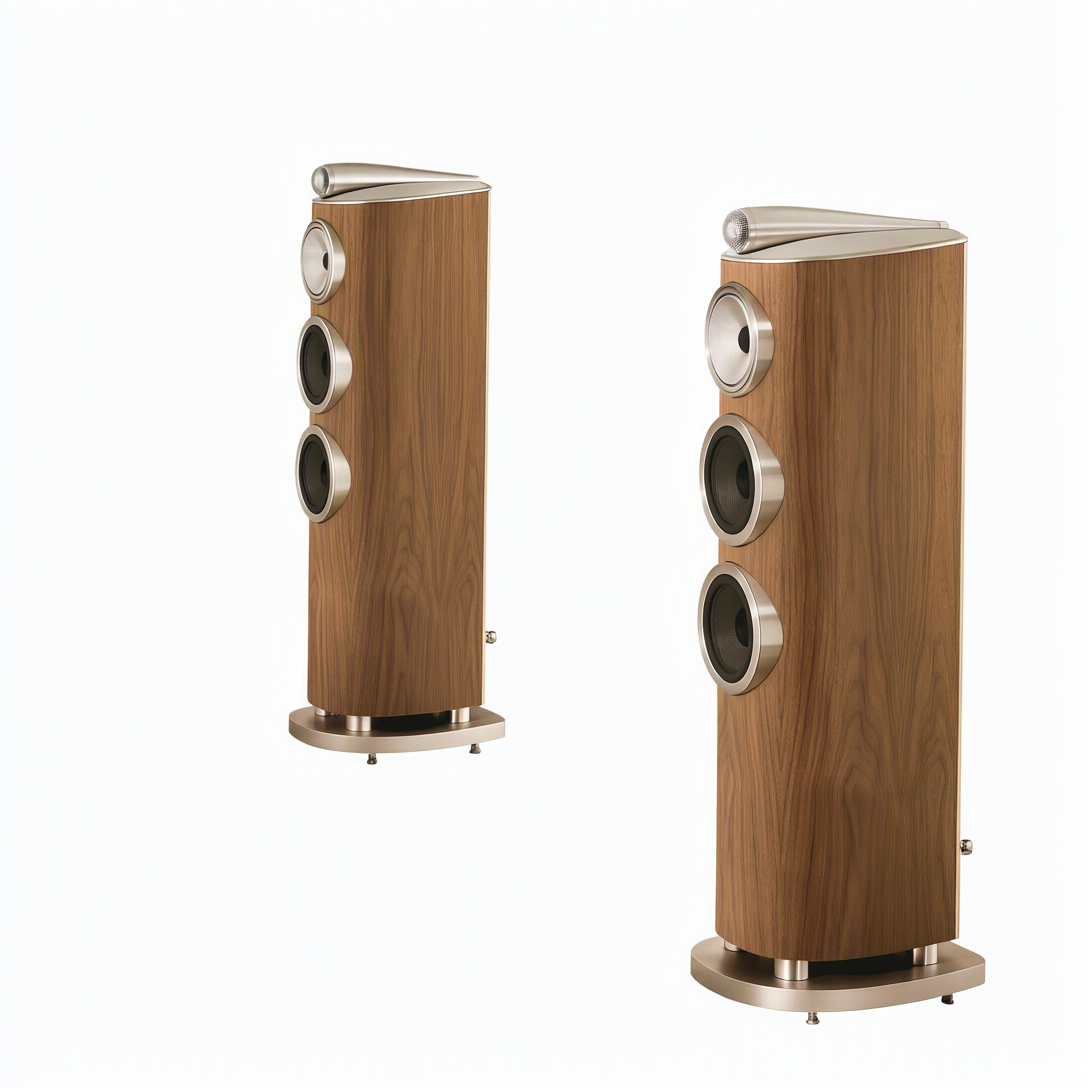
Bracing beyond the midrange
At the rear, aluminium Space Frame Bracing bolts to the internal Matrix structure. Its parallel rails and cross-reinforcement are intended to stiffen the enclosure and reduce unwanted cabinet vibration. Enhanced Matrix also reinforces the front around the driver apertures. These changes address separate parts of the cabinet rather than treating the new midrange chamber as the only structural revision.
The aluminium top plate is revised too, with changes to its ribbing, mounting points and decoupling arrangement. At the bottom, the plinth combines constrained-layer and tuned-mass damping, with masses specified for the corresponding model. Bowers & Wilkins presents these measures as ways to reduce unwanted mechanical output from the enclosure and its supporting structure.
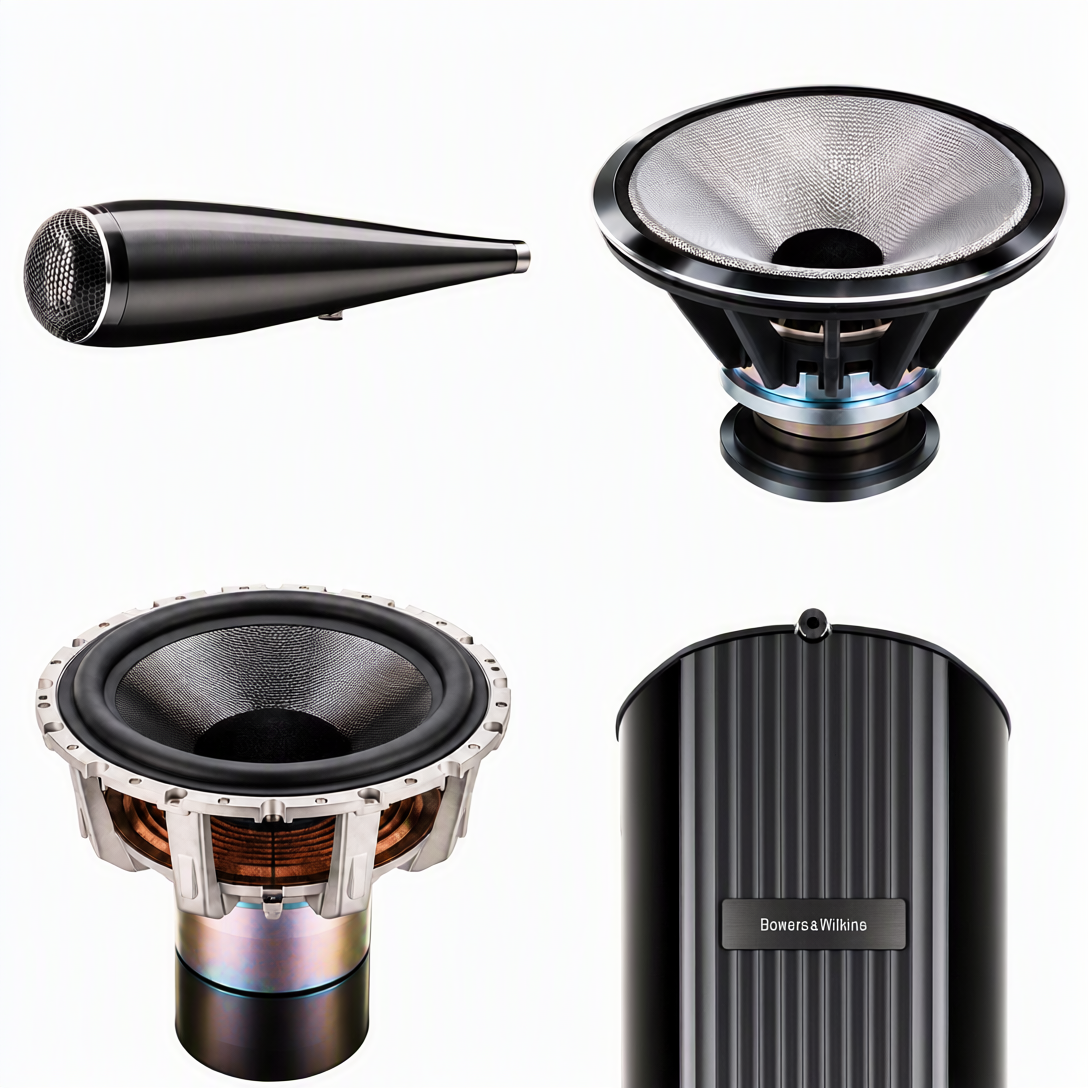
The driver complement remains recognisable
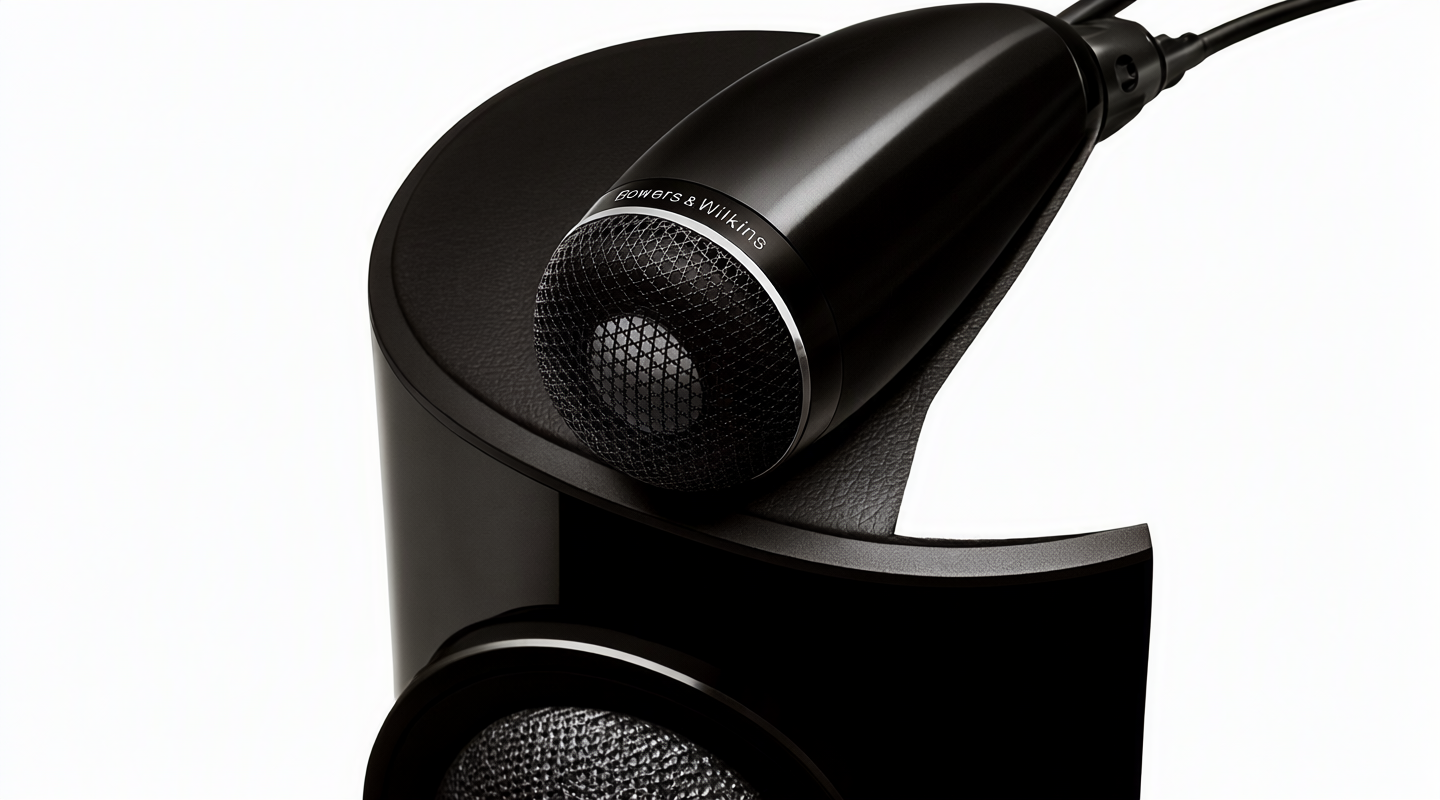
A 25 mm diamond-dome tweeter sits above the main cabinet, while two 165 mm Aerofoil bass units work below the Continuum midrange. The three-way vented layout assigns a distinct role to each driver group. D5 revisions include changes to the drive-unit motors and tweeter grille mesh, accompanied by upgraded crossover components and internal wiring.
Published sensitivity is 89 dB for 2.83 volts RMS at one metre. Nominal impedance is 8 ohms, with a stated minimum of 3 ohms. Those figures describe different aspects of the electrical load and sensitivity. The speaker is passive, so system amplification is external, with the loudspeaker’s connection and loading figures relevant to that pairing.
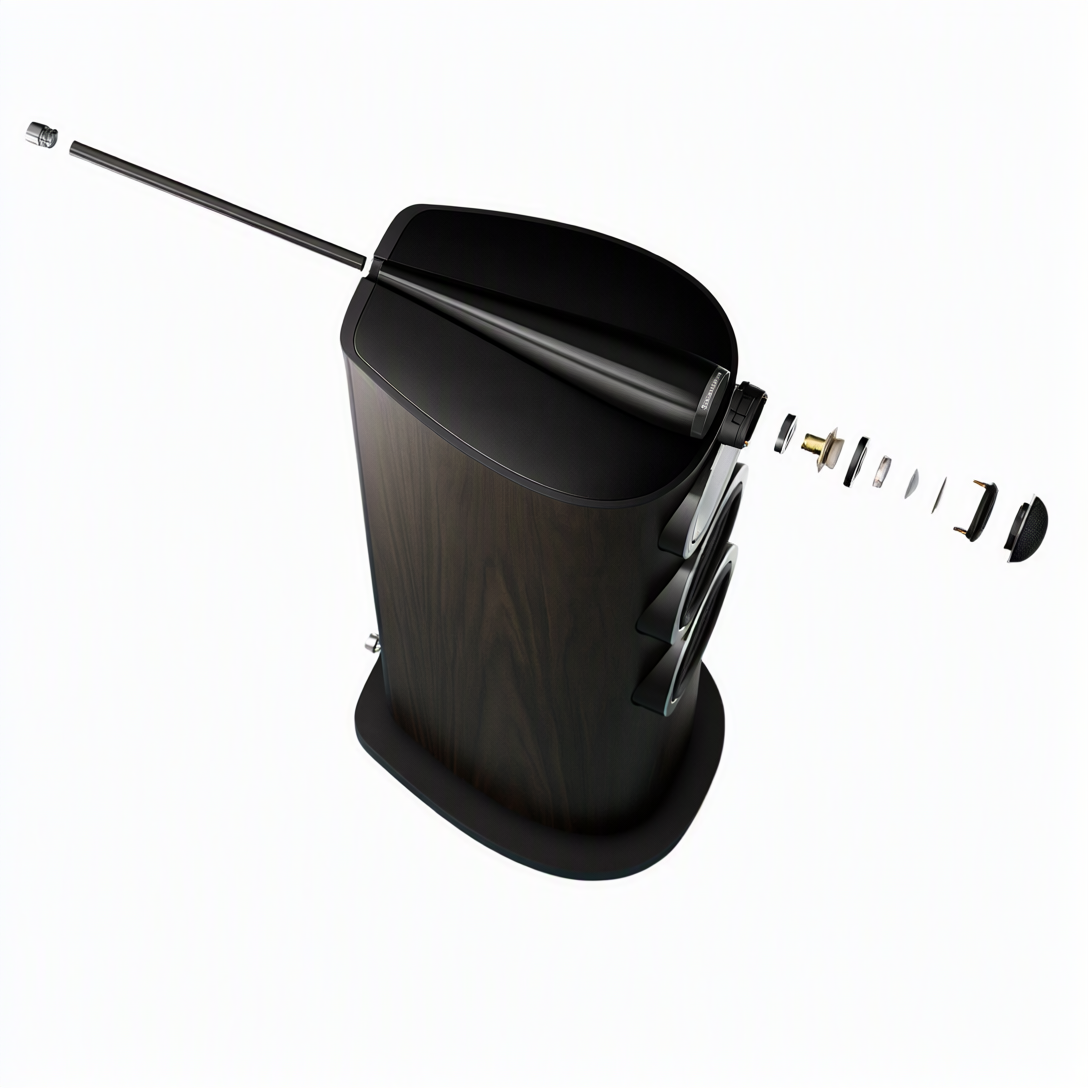
Changes inside and outside
Each speaker weighs 40.25 kg. The stated overall height includes the tweeter, plinth and spikes, while the overall width includes the plinth and depth includes the grille and terminals. These distinctions matter because the cabinet-only dimensions are smaller. The model’s revised finishes include Stealth Black, Warm White, Light Walnut and Dark Walnut.
The visible driver layout makes the 804 D5 recognisable as part of the Diamond family. Its new engineering is distributed around that layout: an aluminium room for the midrange, rear bracing, revised top support and a damped plinth. Together these identify how the fifth generation develops the earlier 804, with the manufacturer’s mechanical rationale central to the design.
Specifications
| Specification | Details |
|---|---|
| Type / design | 3-way vented passive floorstanding loudspeaker |
| Tweeter | 1 × 25 mm diamond dome |
| Midrange | 1 × 130 mm Continuum FST |
| Woofers | 2 × 165 mm Aerofoil cones |
| Sensitivity | 89 dB (2.83 V RMS, 1 m) |
| Nominal impedance | 8 ohms; minimum 3 ohms |
| Dimensions (H × W × D) | 1101 × 308 × 392 mm overall; height includes tweeter/plinth/spikes, width includes plinth, depth includes grille/terminals |
| Weight | 40.25 kg each |
| Finishes | Stealth Black; Warm White; Light Walnut; Dark Walnut |