
Nagra
AMP II-S.
An 800 VA linear supply, Reference-derived input circuitry and a higher stereo power rating define Nagra’s successor to the Classic AMP.
An 800 VA transformer is the starting point for Nagra’s AMP II-S. Announced in October 2026, this Swiss-made stereo power amplifier introduces a new linear supply and an input board derived from the Reference AMP. Nagra’s stated aim is to provide greater energy reserves and voltage headroom while retaining a relatively simple MOSFET output stage.
The AMP II-S succeeds the Classic AMP and joins the Series II family as the partner to the PREAMP II-S. Its published rating rises from the Classic AMP’s 100 watts to 120 watts RMS per channel into 8 ohms. Both figures are specified for stereo operation into the same load. The new amplifier also retains selectable input sensitivity for matching to an upstream preamplifier.
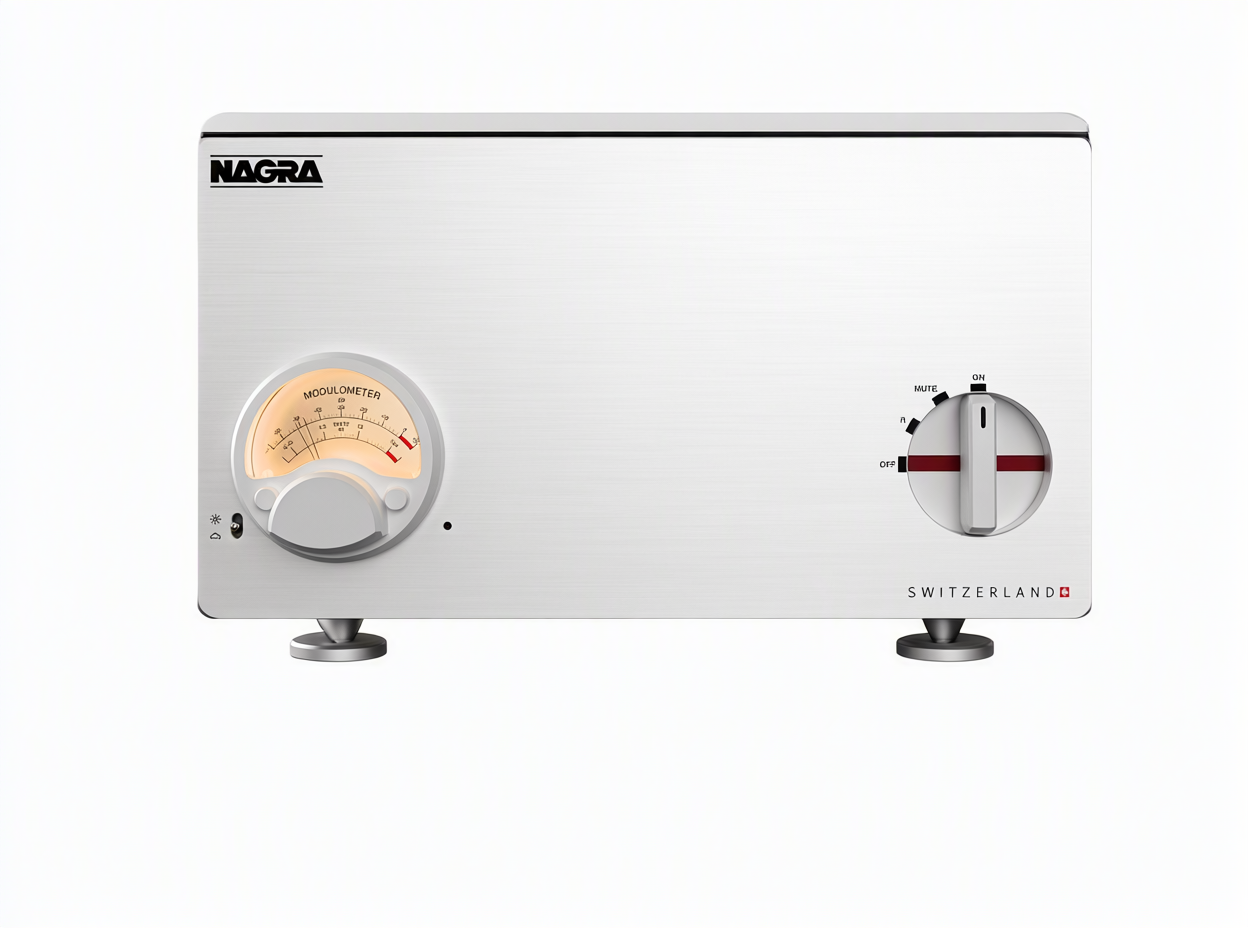
Power supply first
Nagra describes the new transformer as a custom potted design within a linear supply. A dedicated suspension addresses the transmission of mechanical vibration from the transformer, while revised internal wiring and circuit layouts accompany the change. The company attributes increased energy reserves and headroom to the supply, identifying the power architecture as a central part of this generation.
The output stage uses one pair of MOSFET transistors per channel. Nagra specifies the first 10 watts as Class A operation, within the amplifier’s Class AB design. The full 120-watt rating therefore does not describe continuous Class A operation. This retains a deliberately small output-device complement while extending the stereo power rating beyond the earlier Classic AMP.
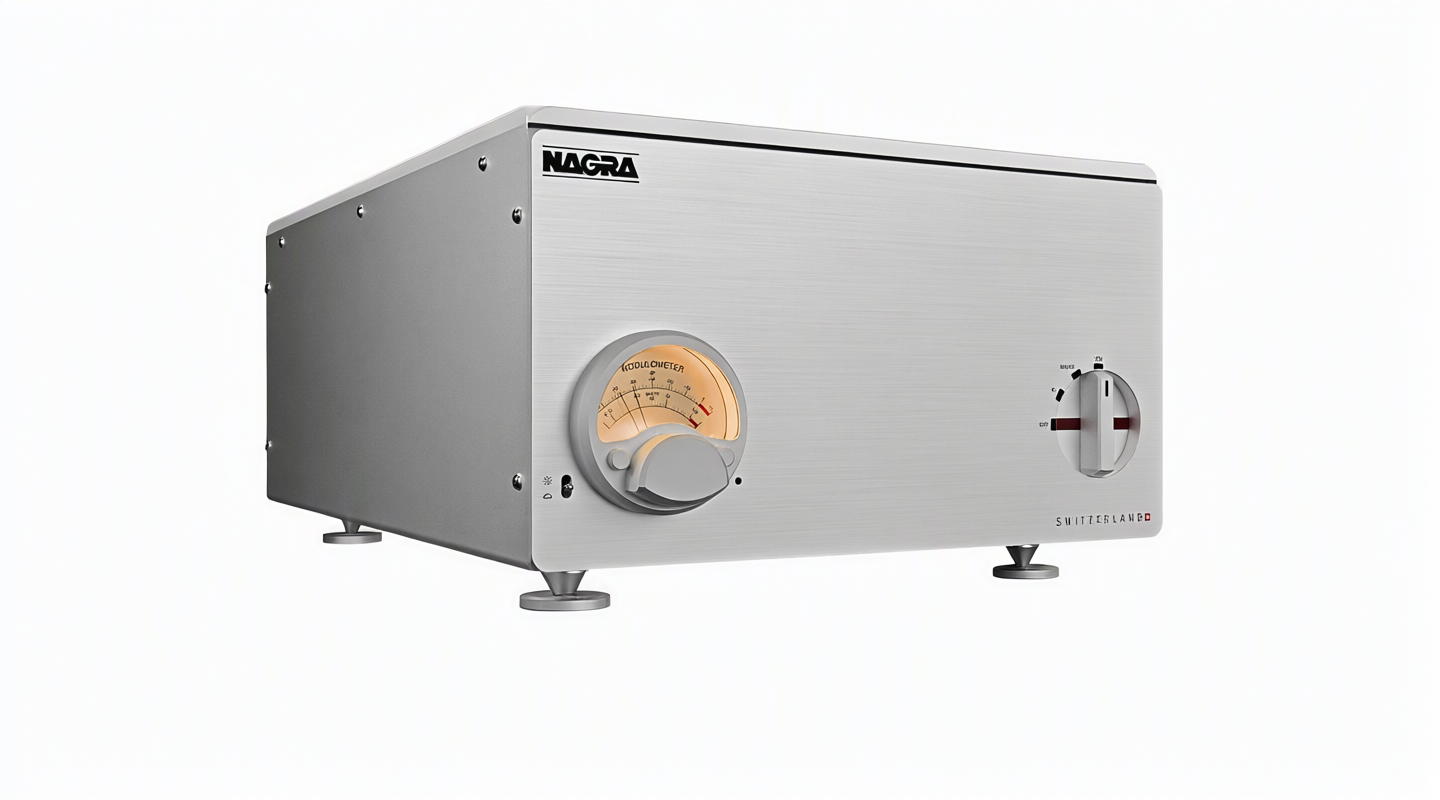
Reference technology, Series II controls
The new input board borrows from the Reference AMP, with improved channel separation among Nagra’s stated objectives. Optically isolated controls are another documented change. The published crosstalk figure exceeds 90 dB, compared with more than 70 dB for the Classic AMP. The revised board brings technology from a different tier of Nagra’s range into this stereo model.
Balanced XLR and unbalanced RCA inputs allow connection to different preamplifiers. Selectable sensitivity of 1 or 2 volts RMS provides two input arrangements, with corresponding published gains of 29.8 and 23.8 dB. The signal path remains that of a stereo power amplifier. Source selection and the system’s volume control belong upstream, rather than to a bank of integrated-amplifier controls.
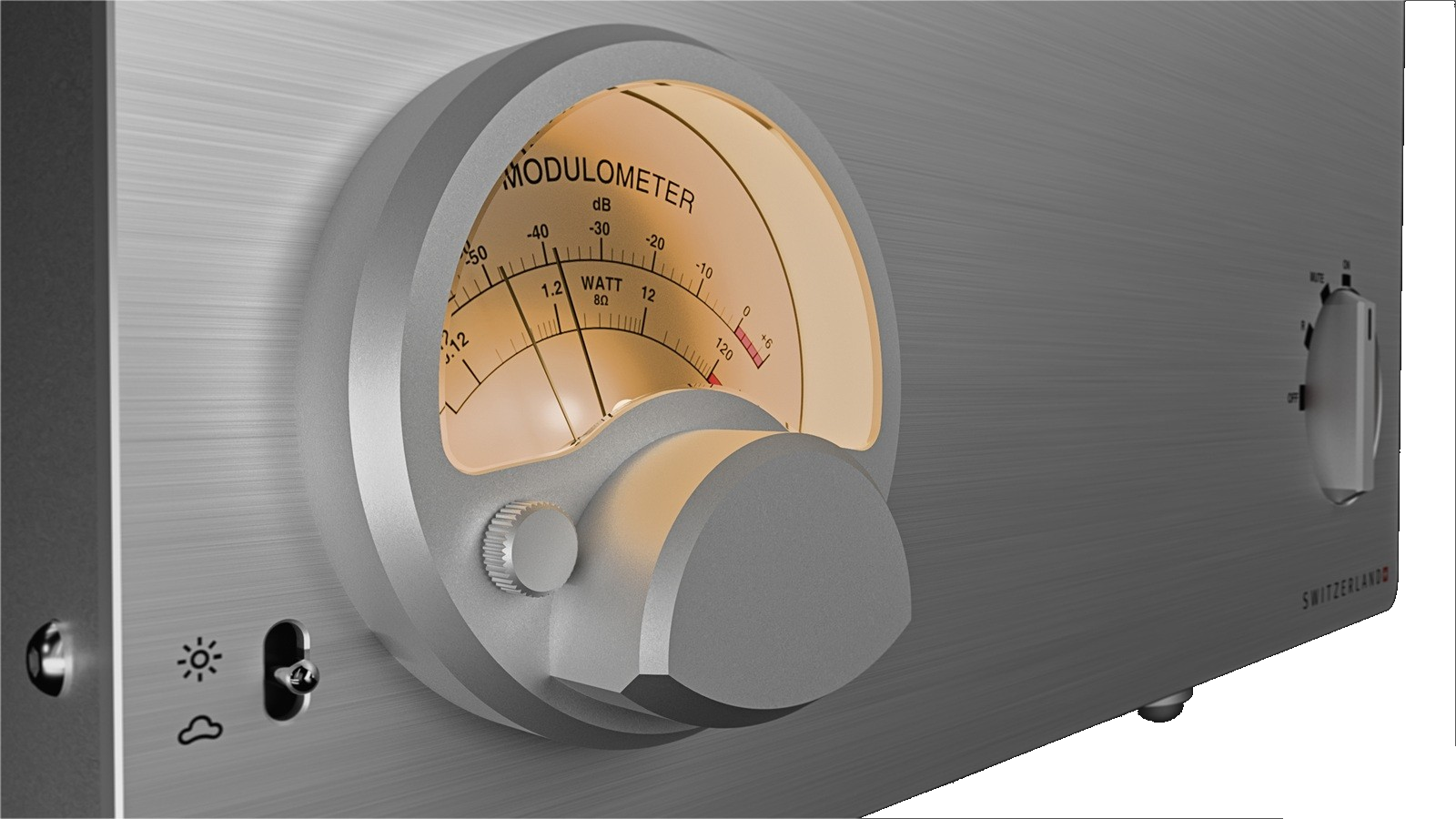
The meter has a specific job
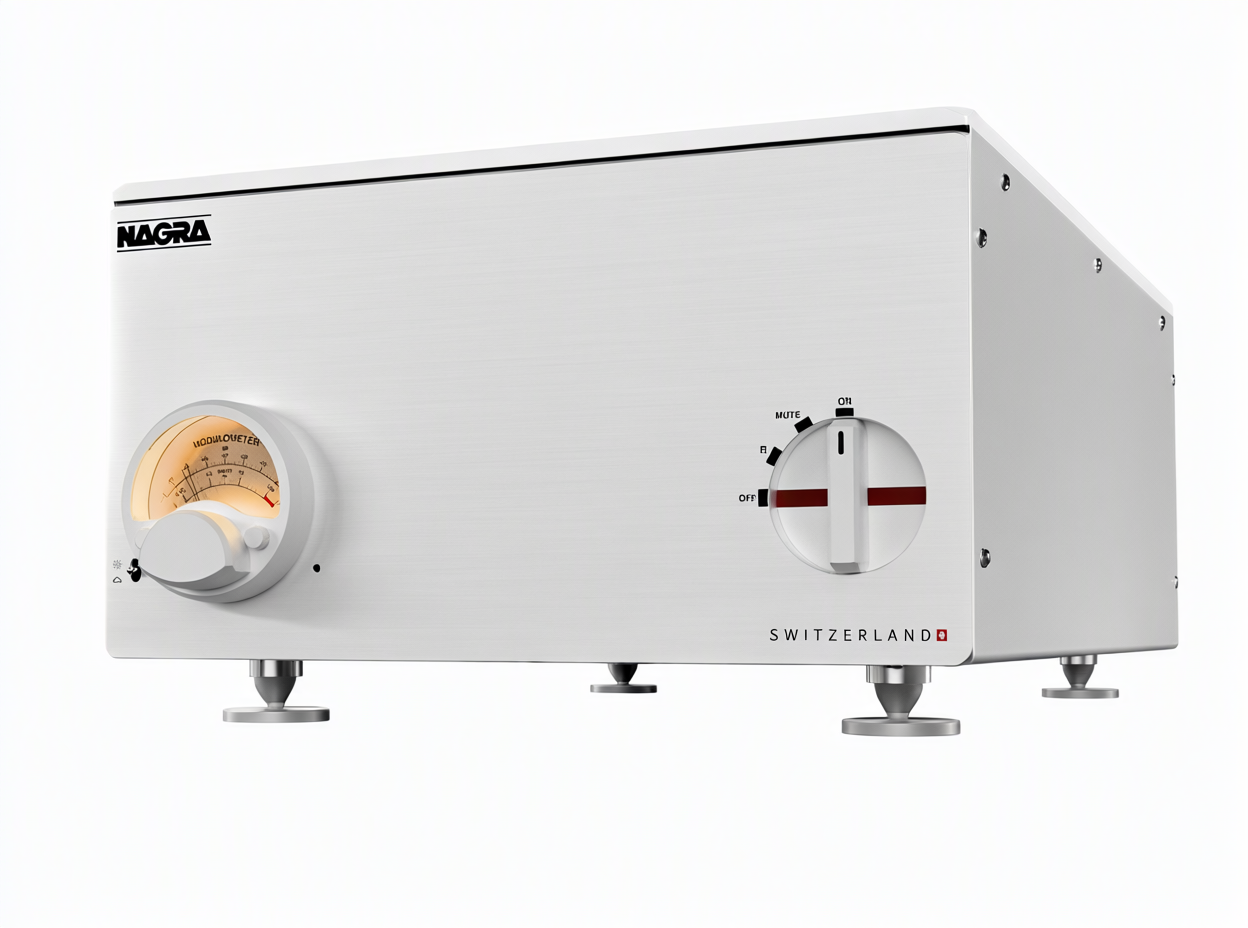
The amber Modulometer links the front panel visually to Nagra’s recording equipment. Its two needles monitor the two output channels, using a power scale calibrated for an 8-ohm load. The manual identifies the black needle with the left channel and the red needle with the right. This makes the shared instrument a stereo display rather than a single-channel meter.
A status indicator accompanies that display, and the protection system covers overheating, DC, short circuits, clipping and incorrect mains voltage. Speaker connections use rhodium-plated Cardas terminals. Remote input and output connections support system switching, while the front panel retains the characteristic compact Nagra arrangement of meter, switch and indicators rather than a large information screen.
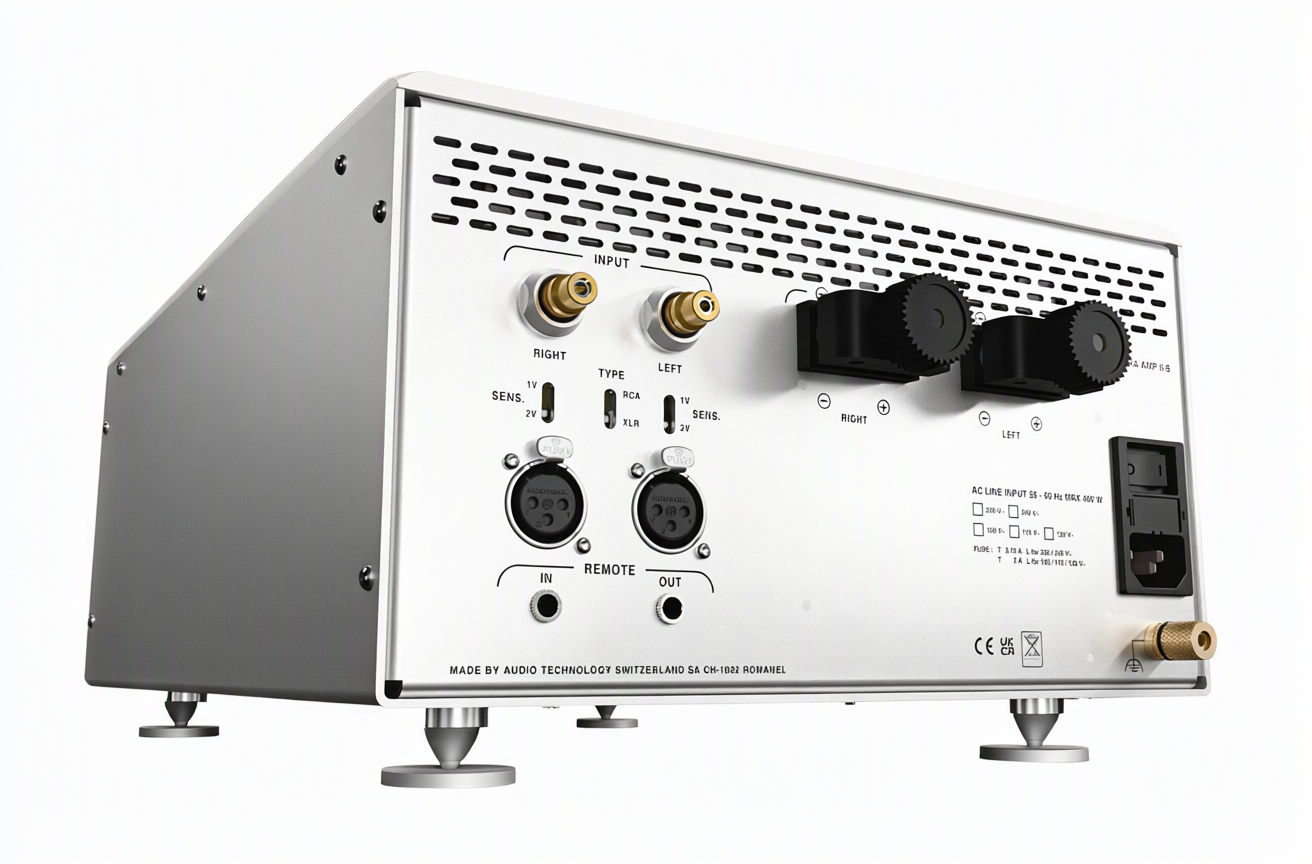
A larger successor
The AMP II-S weighs 24.5 kg, compared with the Classic AMP’s 18 kg. Its overall dimensions also differ from the earlier model, and Nagra separately allows additional height for the optional VFS support. A CNC-machined heatsink is part of the new construction, with thermal and vibration control among the manufacturer’s stated reasons for its design.
The transition from Classic AMP to AMP II-S is thus more specific than a new family name. Rated stereo output increases, the power supply changes and Reference-derived input circuitry enters the design. The single-pair MOSFET arrangement and front-panel Modulometer preserve continuity, while the revised supply and input stage define Nagra’s explanation of what has changed.
Specifications
| Specification | Details |
|---|---|
| Type / class | Stereo solid-state power amplifier; Class AB, first 10 W in Class A |
| Power output | 120 W RMS per channel into 8 ohms |
| Inputs | Balanced XLR; unbalanced RCA; remote input |
| Outputs | Rhodium-plated Cardas CPBP speaker terminals; remote output |
| Frequency response | Bandwidth: below 10 Hz to 75 kHz (+0/−3 dB) |
| Signal-to-noise ratio | Typically 110 dB, A-weighted |
| THD (distortion) | THD+N below 0.05% at 120 W |
| Input impedance / sensitivity | Above 100 kohms; selectable 1 or 2 V RMS |
| Dimensions (H × W × D) | 174 × 280 × 461 mm overall; optional VFS adds 30 mm height |
| Weight | 24.5 kg |