Classé’s CDP-202 puts an unusual question to anyone shopping for a disc player. What is actually on your shelves? It handles CDs, DVD-Audio and DVD-Video, has a screen of its own for navigating menus, and feeds two channels of analogue audio to the system. A collection of well-mastered CDs and stereo DVD-Audio programmes gives it a very different purpose from a shelf full of SACDs. I still consider it a modern classic, provided the buyer understands that distinction.
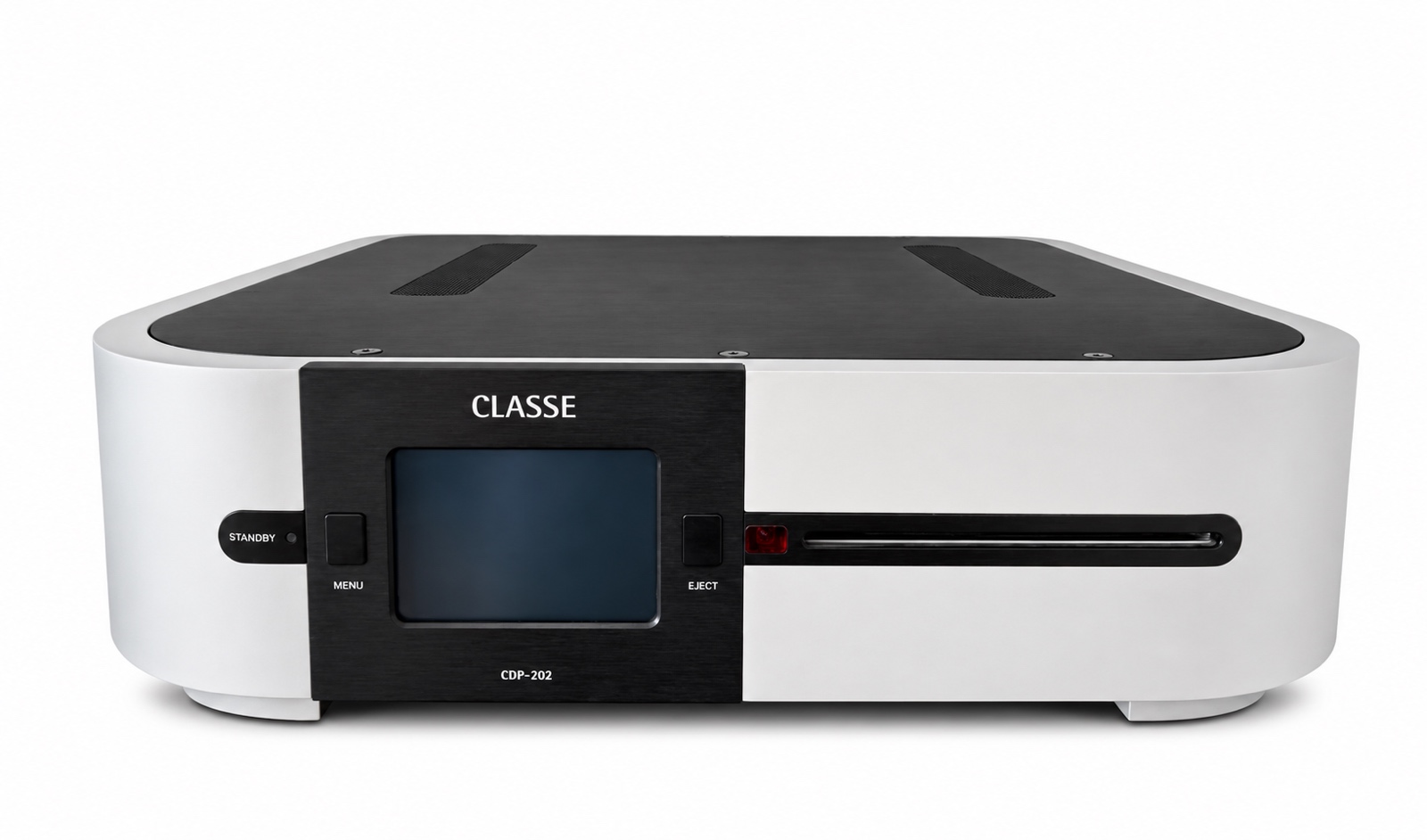
I think the CDP-202 is an excellent player, and “modern classic” still seems a fair description. Its curved front panel is recognisably from Classé’s original Delta range. Mine belonged with the CP-700 preamplifier and CA-M400 monoblocks in the B&W 800D system.
Choosing the version you want to hear
The format distinction matters with older releases. Two discs can carry the same cover artwork and contain quite different versions of the recording. I’m interested in getting the most out of the system, and choosing the mastering is part of that. A format badge alone doesn’t settle the matter. Nor does a familiar album title tell you which transfer you’re about to hear.
A DVD-Audio release can offer more than one programme, and having the menu within reach on the player is a genuine convenience in a two-channel room. I’d test that feature with a disc from my own collection. Can I find the stereo programme, start the track I want, and do it again after ejecting the disc? That is a better guide to whether I will use a format regularly than reading the list on the front panel. It also exercises both the screen and the mechanism on a used example.
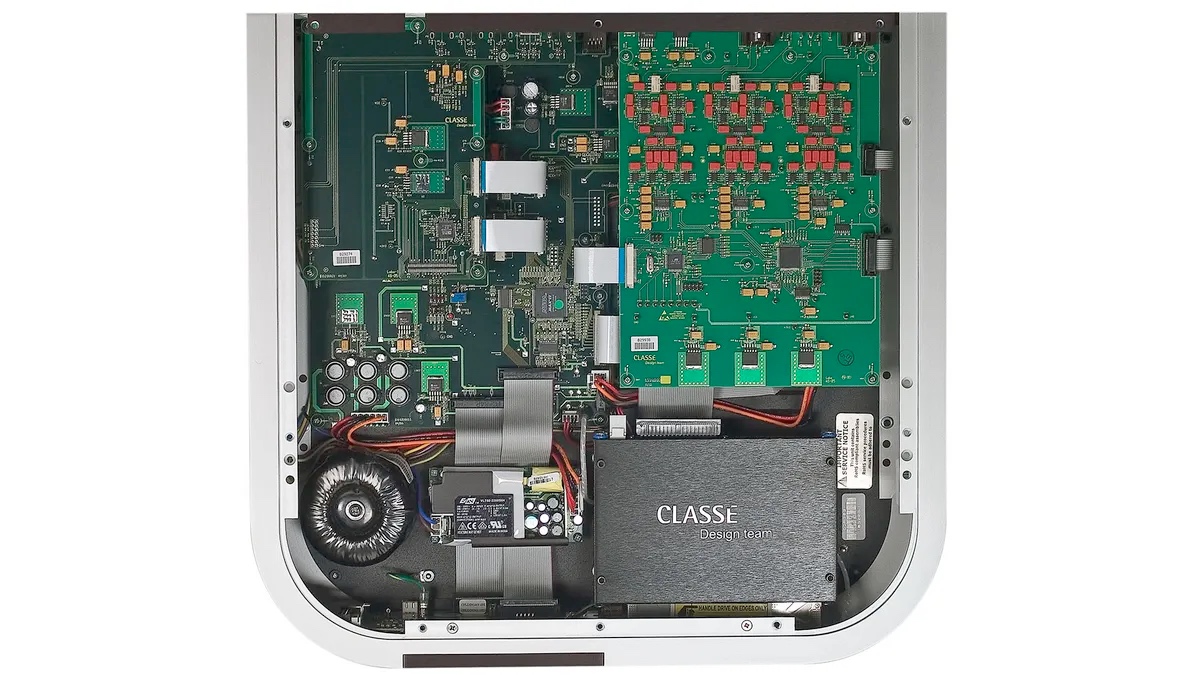
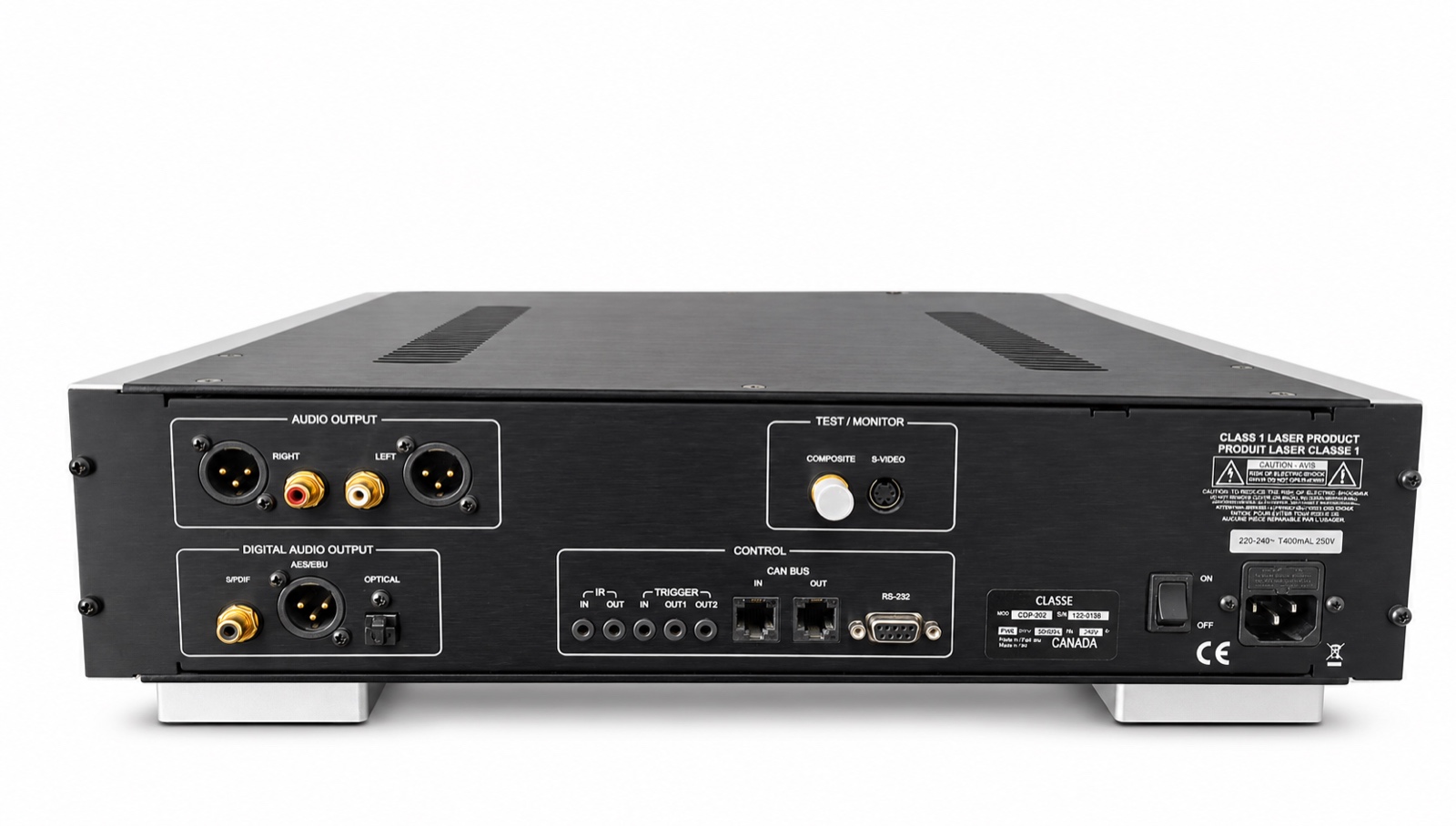
Classé put considerable work into the analogue outputs. The RCA and balanced XLR paths have their own conversion circuits, rather than simply providing different sockets from the same output. The player also has adjustable analogue volume, although the CP-700 already had the preamplifier’s job in my system. That’s the combination these components belonged to, with the monoblocks driving the 800Ds.
Inside, the digital signal passes through sample-rate conversion and reclocking before it reaches the analogue stages. Classé’s explanation centres on controlling timing errors. Upsampling cannot restore information missing from a CD, however. It doesn’t undo compression applied during mastering, either. The decisions made before the disc reached the player still matter, however elaborate the electronics behind the front panel.
The treble is smooth and free of grain, with substantial bass underneath and precise stereo focus. Voices retain texture, and there’s a convincing sense of space around the musicians. It’s an appealing balance, though the bass could have more punch and the leading edges more definition. If you like a particularly incisive presentation, give that some attention. A player can be enjoyable without making every aspect of a recording as explicit as possible. The CDP-202’s sweeter side is part of its character, rather than a reason to assume that every listener will prefer it.
Two different ways of hearing space
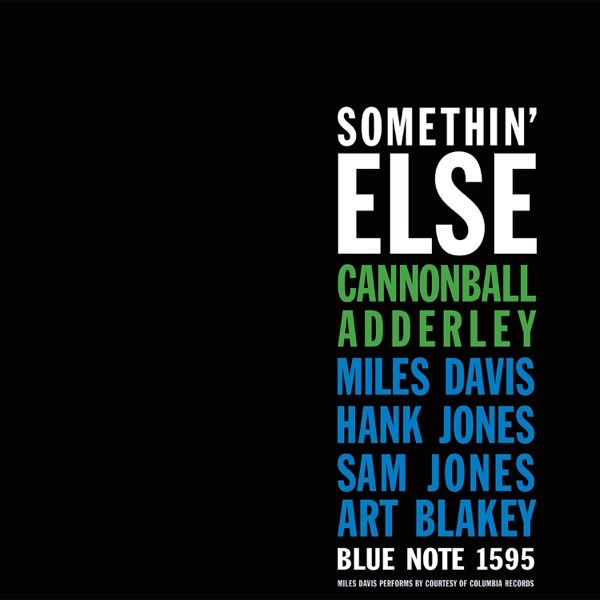
Album: Somethin’ Else
Artist: Cannonball Adderley
Track: “Autumn Leaves”
Source: CD
Format: Stereo PCM · 16-bit / 44.1 kHz
Cannonball Adderley’s Somethin’ Else is a CD that rewards attention to phrasing as much as instrumental colour. “Autumn Leaves” brings Miles Davis’s trumpet into a group with Adderley on alto, Hank Jones at the piano, Sam Jones on bass and Art Blakey on drums. Davis’s melody and Adderley’s solo give the performance two distinct voices, while the accompaniment preserves its own movement. The CDP-202’s smooth treble and precise focus suit the priorities that draw me to this recording: texture, space and a clear relationship between the lead instrument and the group.
The useful comparison is between a player that presents the shape of a phrase and one that merely makes its first note impressive. A horn can have a beautifully polished tone while losing the small changes in emphasis that give the line direction. I value the Classé’s refinement, although its gentler leading edges are part of the judgement too. Keeping the same CD and a comparable listening level makes that balance easier to assess.
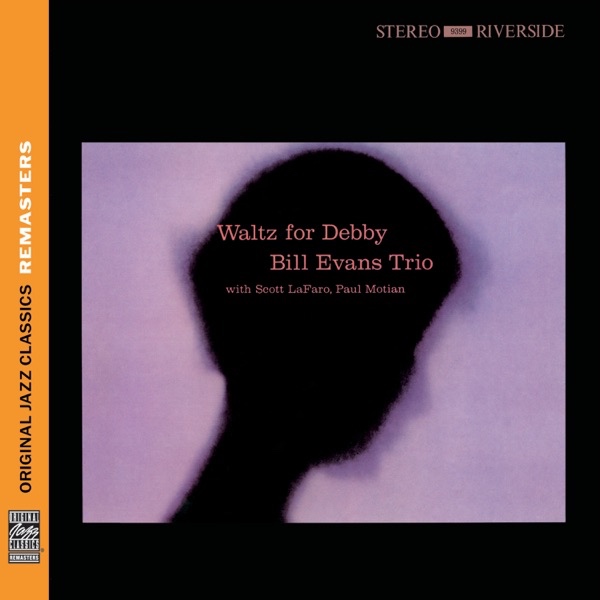
Album: Waltz for Debby
Artist: Bill Evans Trio
Track: “My Foolish Heart”
Source: CD
Format: Stereo PCM · 16-bit / 44.1 kHz
Bill Evans’s trio at the Village Vanguard offers a different kind of space. On “My Foolish Heart”, Scott LaFaro’s bass makes musical sense against Evans even when the two pursue different lines, and Paul Motian can place a quiet accent without interrupting them. The audience belongs to the recording, but the musicians remain the subject. The interest is in the way they listen and respond to one another. This is where I appreciate a source that gives voices and instruments body, with quiet detail integrated into the performance rather than thrust forward for attention.
Checking the machine as well as the music
Take a plain CD as well as a DVD-Audio disc if you are going to inspect a player. Load, eject and restart each one, select a late track and try the controls on the front. Ask to hear the output you intend to use at home. The existence of independent analogue paths makes an audition over XLR a slightly different proposition from one over RCA, and a change in level between connections is enough to make the louder one seem more forthcoming.
My judgement comes back to the original question about the shelf. I liked the CDP-202 in the Classé system because it was a fine source for playing music in stereo. A working touchscreen makes an unusual range of discs practical, and the quality of the analogue stage gives familiar CDs a reason to stay in circulation. I would pay for those abilities if I meant to use them. The most persuasive demonstration would be hearing the end of the Evans performance and wanting to let the next track play.
Specifications
Manufacturer specifications for the CDP-202 from Classé’s original manual and information sheet.
| Specification | Details |
|---|---|
| Type | Stereo CD/DVD-Audio/DVD-Video player; no SACD playback |
| Transport | TEAC slot-loading DVD-ROM mechanism |
| D/A conversion | 3 × Burr-Brown PCM1792; internal processing at 24-bit/192 kHz |
| Analogue outputs | One stereo pair each of RCA and balanced XLR |
| Output level | 2 V RMS RCA; 4 V RMS balanced XLR |
| Digital outputs | Coaxial S/PDIF, optical TOSLINK and AES/EBU |
| Video outputs | Composite and S-Video |
| Frequency response | 8 Hz–20 kHz, +0/−0.4 dB |
| Dimensions (W × H × D) | 445 × 121 × 419 mm; depth excludes connectors |
| Net weight | 12.3 kg, as listed in the original manual |
| Power consumption | 55 W |