
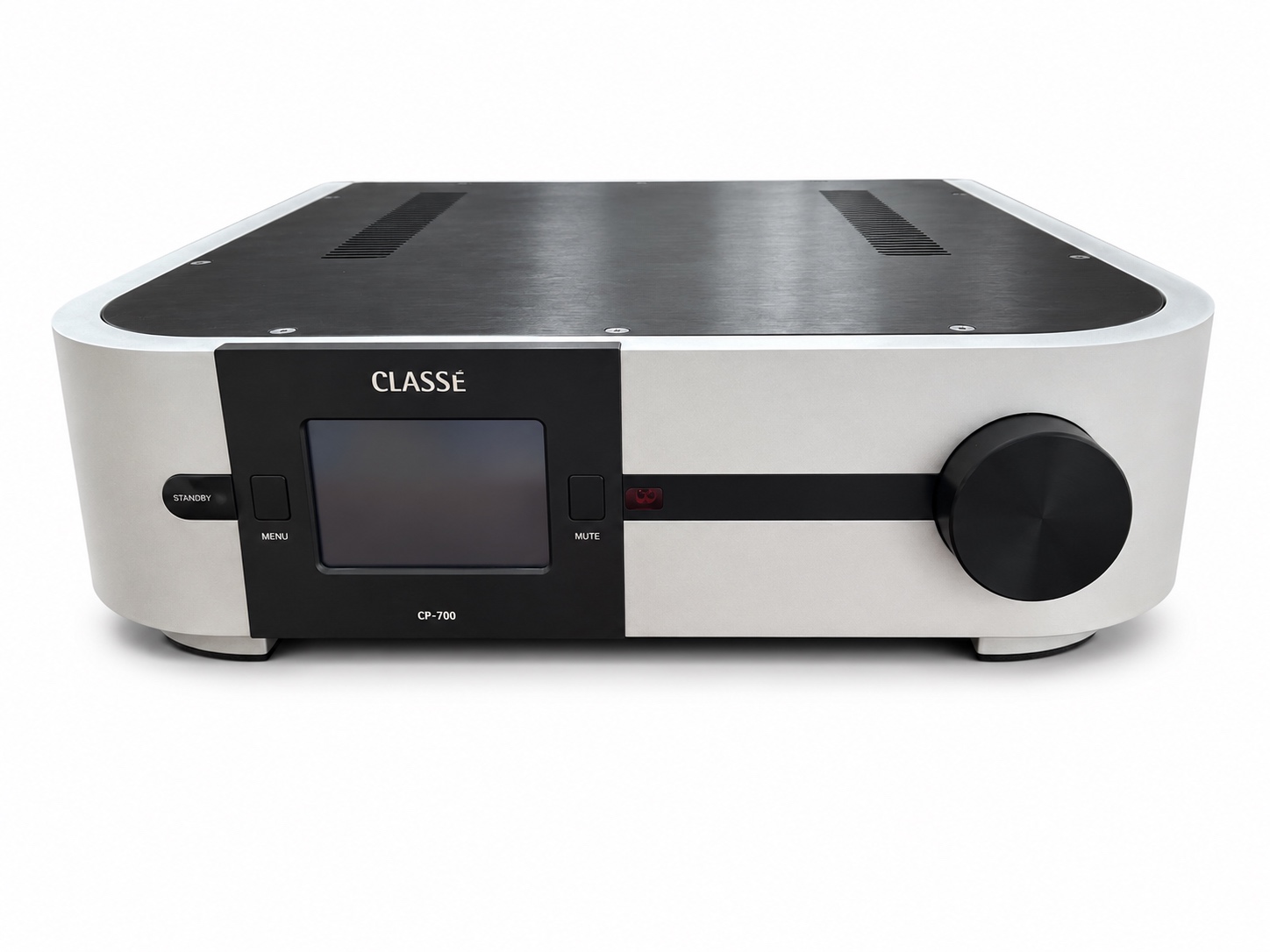
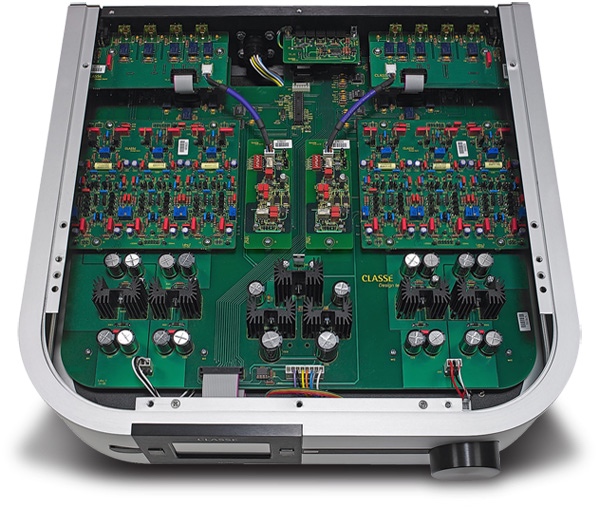
What should a preamplifier bring to a piano trio when the source, power amplifiers and speakers already have clear jobs of their own? The Classé CP-700 was the middle component in my Delta system. It accepted the CDP-202’s analogue output and set the level for a pair of CA-M400 monoblocks driving B&W 800Ds. Its external power supply took another spot on the rack. The reason to give it that room came through most clearly in the sound of an instrument as a note died away.
Tone, timing and the volume knob
The CP-700 is smooth and relaxed. Acoustic instruments have a natural tone, and there’s more to the bass than weight. You can hear the harmonics around a note as well. It separates the players without making the presentation hard or edgy. That gives quiet detail a place in the music without pushing everything forward at once.
It isn’t the most urgent-sounding preamplifier. Some listeners will want more bite, and room cues can be less sharply drawn than they’d like. That’s something to hear for yourself with a familiar recording. Listen to the instrument’s tone as well as where it sits. A convincing piano matters at least as much as an impressive outline around it.
A piano makes the distinction quite neatly. The hammer gives a note a definite beginning. After that there is a changing balance of overtones to hear until the pianist damps the string or another note claims your attention. An emphatic beginning can be very attractive in a short demonstration. Over a whole performance I’m equally interested in what happens while the key is held. That is where the CP-700’s relatively relaxed presentation makes a case for itself, and where someone who wants a harder accent might reasonably reach a different conclusion.
The screen handles most of the setup. Name an input after what’s plugged into it, hide the ones you don’t use, then adjust levels if one source plays much louder than another. These are useful things to sort out once. You can leave the menus alone while a record is playing, rather than keep fiddling with the system.
For volume, there’s a knob. Its response can be adjusted to suit how quickly you turn it. The screen doesn’t give you the feel of proper buttons, so spend a little time with it before deciding whether you like the arrangement. Day-to-day controls deserve a look even when the sound is the main attraction.
Piano with company, then piano alone
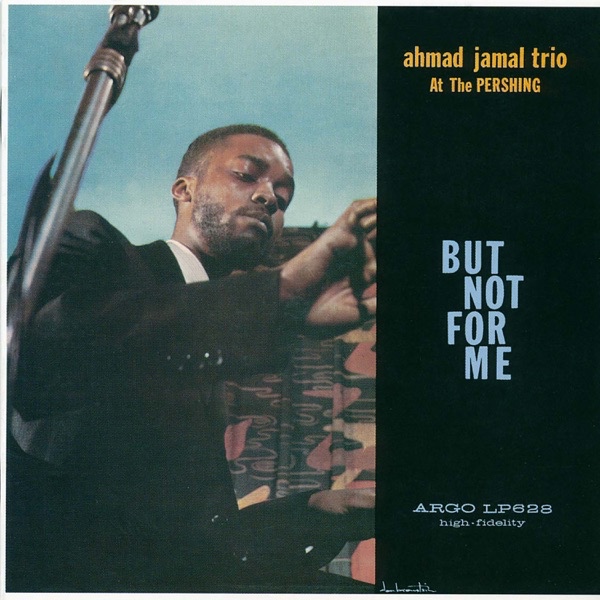
Album: At the Pershing: But Not for Me
Artist: Ahmad Jamal
Track: “Poinciana”
Source: CD
Format: Stereo PCM · 16-bit / 44.1 kHz
Ahmad Jamal’s At the Pershing: But Not for Me places a piano trio in a lively room. “Poinciana” is built on the relationship between Jamal, Israel Crosby’s bass and Vernell Fournier’s drums. When the piano leaves space, the rhythm continues underneath; a quieter entry still has a clear place in the phrase. That makes the recording a useful companion to the CP-700’s relaxed character. Natural tone and separation matter most when they preserve the timing of the group, with no need to raise the level simply to recover a small musical gesture.
Then play “But Not for Me”. Stay with a quieter phrase rather than reaching straight for the volume knob. The band has plenty going on in those gaps, and the rhythm doesn’t stop just because the piano steps back.
There is a room full of people as well as a trio on the Pershing recording. The ambience gives the performance a setting, but it need not become the main event. The bass carries the tune through Jamal’s pauses, and his return gains meaning from everything that continues while he is silent. Quiet detail is worthwhile because it helps reveal those relationships. An exaggerated spotlight on incidental sounds can distract from precisely the interplay the system ought to communicate.
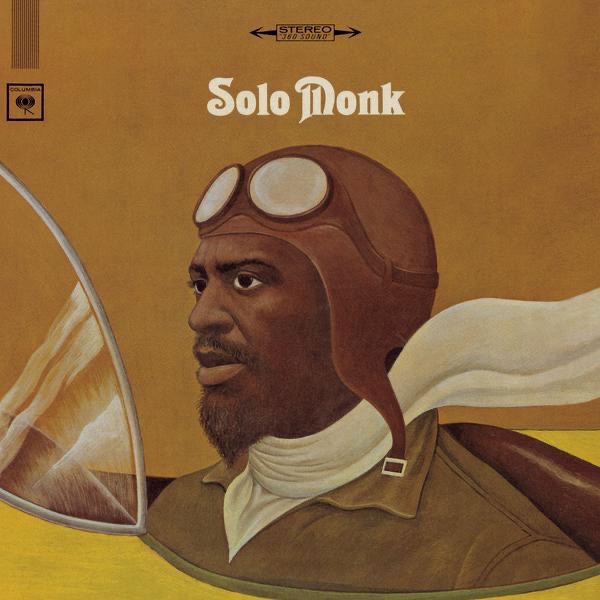
Album: Solo Monk
Artist: Thelonious Monk
Track: “Dinah”
Source: CD
Format: Stereo PCM · 16-bit / 44.1 kHz
“Dinah” from Solo Monk takes the bass player and drummer out of the equation. The left hand articulates a pulse while the right hand leaves a longer gap than expected. Low notes decay beneath the next chord, so tone and timing remain closely connected. The CP-700’s gentler edges will appeal more to some listeners than others, but richness alone is not the point. A convincing account needs the body of the piano and the deliberate placement of each note. That is the balance I look for in a preamplifier that presents acoustic instruments with this much ease.
Choosing inputs before buying
Connections are analogue, with RCA and balanced XLR inputs. There’s no DAC hiding behind the touchscreen. A turntable needs a phono stage, either elsewhere in the system or on the optional internal board. Check which version you’re looking at before assuming a pair of RCA sockets is ready for a cartridge.
For a shared stereo and cinema system, an input can be set to unity gain. A surround processor then controls the volume for films. That setting belongs to the processor connection; an ordinary music source still needs volume control. It’s a useful option if the front speakers have both jobs.
The external supply needs its own secure position, and its connecting lead has to reach the main chassis comfortably. With a used pair of boxes I would ask to see that lead in place and hear the preamplifier switched on from cold. I’d also try changing the input and operating mute from the seat. A missing remote, an awkward screen or an input set up for the previous owner can colour a demonstration long before you have heard anything useful about the sound.
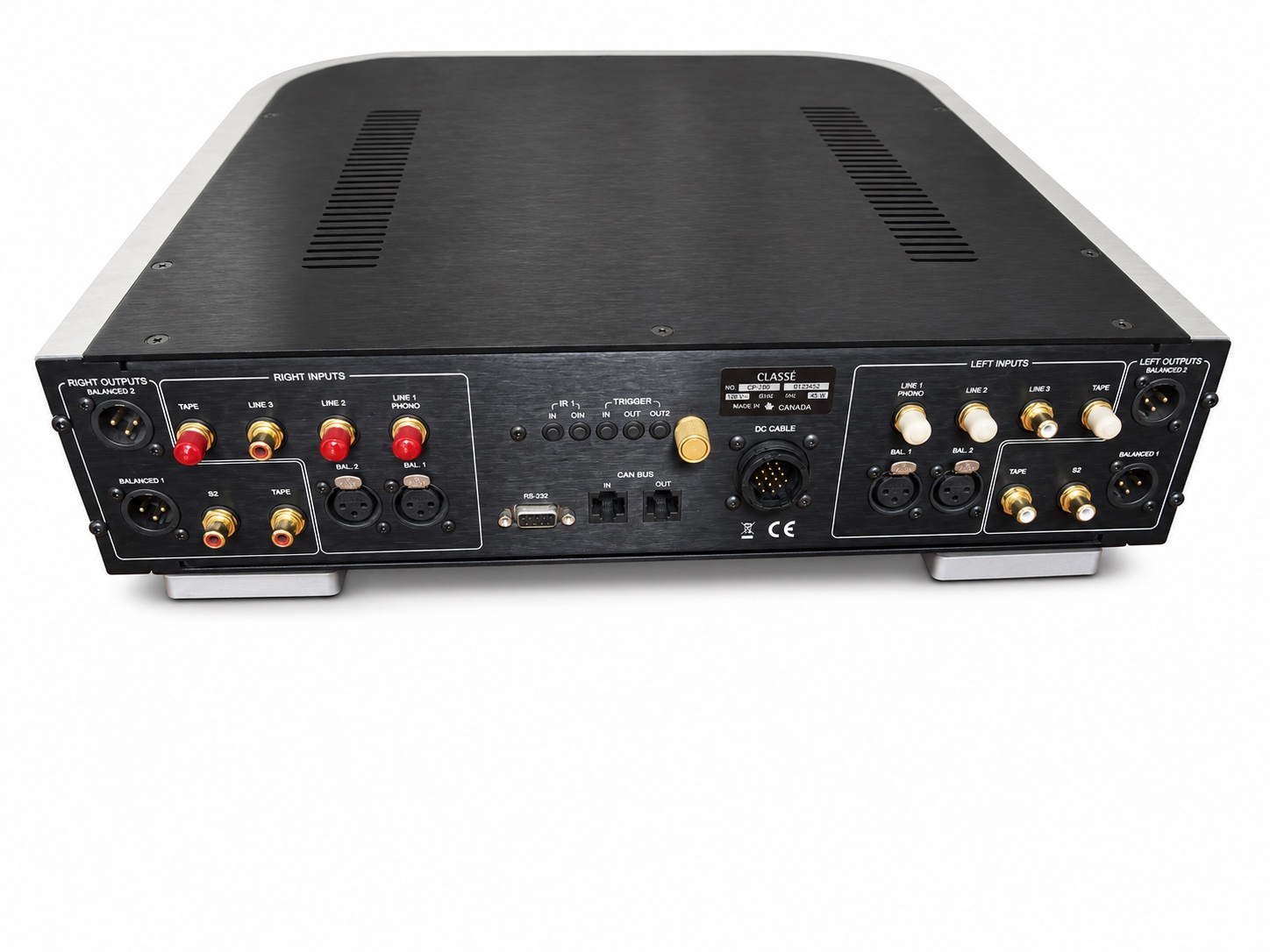
The CP-700 makes sense to me in a system where those analogue facilities will see daily use. It coordinated the Classé equipment without drawing attention away from the performance, and its presentation suits a listener who wants to hear the body of an instrument as well as the leading edge. I’d finish the audition with Monk at an evening volume. If I can follow his left hand and still be caught out by the right, the preamplifier is doing the job I bought it for.
Specifications
Manufacturer specifications for the original analogue CP-700, from its owner’s manual and Delta brochure. The phono board was optional.
| Specification | Details |
|---|---|
| Type | Balanced analogue stereo preamplifier with separate power supply |
| Line inputs | 3 RCA stereo pairs, 2 balanced XLR stereo pairs, plus RCA tape return |
| Outputs | 1 RCA stereo pair, 2 balanced XLR stereo pairs, plus RCA tape output |
| Phono | Optional internal board; installation in the reviewed unit is unconfirmed |
| Frequency response | 20 Hz–200 kHz, ±0.1 dB |
| Gain range | −86 dB to +14 dB |
| Input impedance | 100 kΩ RCA; 200 kΩ balanced XLR |
| Output impedance | 100 Ω |
| Preamplifier dimensions (W × H × D) | 445 × 121 × 419 mm |
| Power-supply dimensions (W × H × D) | 127 × 140 × 305 mm |
| Net weight | Preamplifier 10.5 kg; power supply 4.6 kg |
| Power consumption | 42 W rated; 29 W idle |