
McIntosh put bass and treble controls on the C220 valve preamplifier and gave the owner a way to bypass them. That is one of the more appealing things about its place in the range. With a shelf of records mastered in different decades, would I rather have a modest adjustment within reach or make every release take its chances with one system balance? I used the C220 between a PS Audio PerfectWave source and MC501 power amplifiers driving Wilson Audio Sasha V2s. In that company I appreciated being able to make the choice from one record to the next.
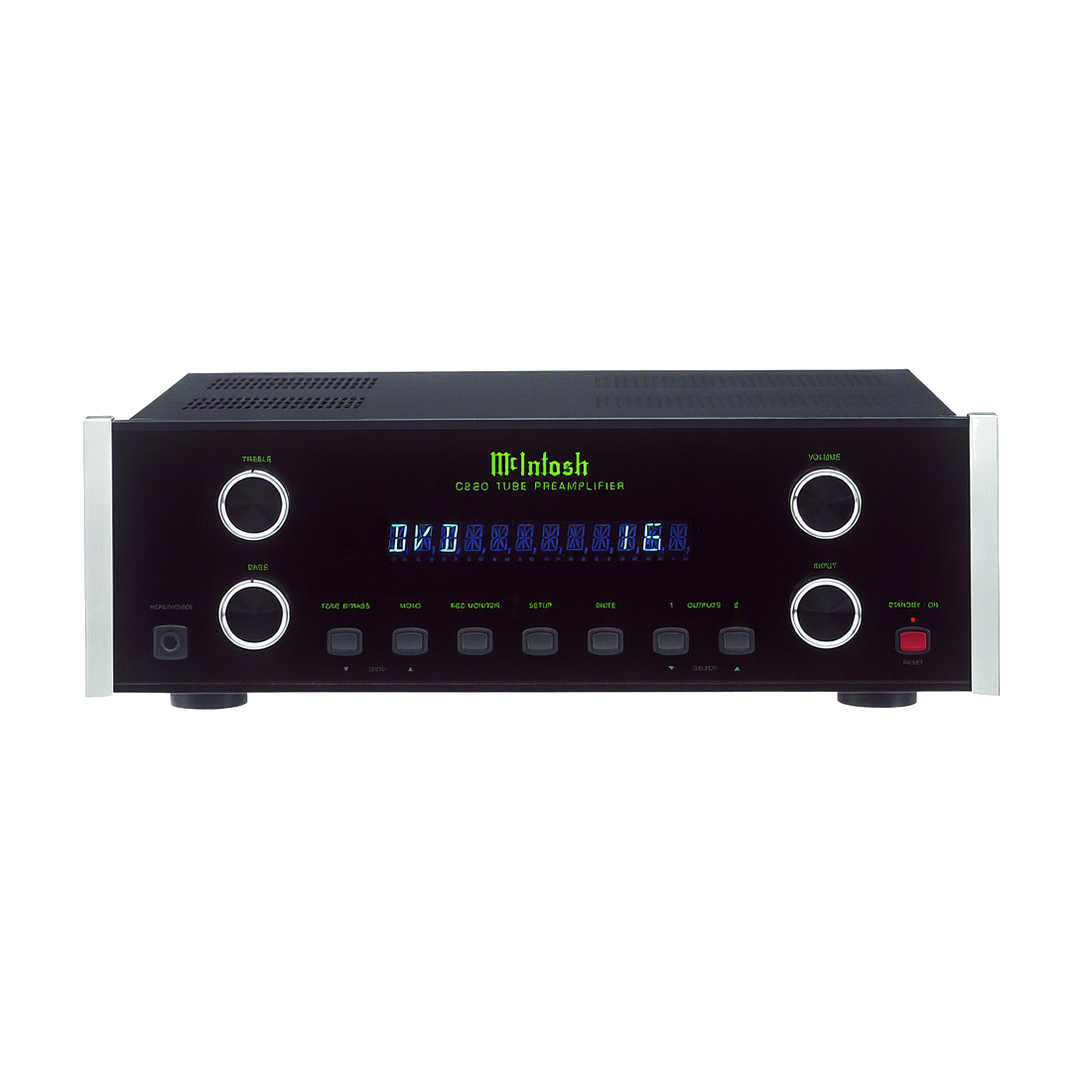
Adjusting a recording you want to keep
A slight treble cut can make a bright recording easier to spend time with. You don’t have to alter the whole system or abandon the record. Nor do you have to use the tone controls at all. Bypass takes them out of the signal path, and Auto Tone remembers that bypass choice for each input. It doesn’t store different bass and treble settings for every source. Those still depend on where you leave the knobs.
Of course, turning down the treble won’t bring back dynamics lost to heavy compression during mastering. A better edition of the album may do more for the sound than any adjustment here. But there’s no virtue in sitting through an uncomfortable recording with your hands folded, refusing to touch a control that might help.
The practical way I’d demonstrate that control is to choose a single line of singing, make a small adjustment and then use bypass to return to the starting point. Listen to the vowel as well as any sharp consonant that prompted the change. It is quite possible to soften the offending edge and take a little too much life out of the voice at the same time. Once the setting feels comfortable, put a different record on. Bypass is useful precisely because a choice made for one transfer needn’t become a permanent preference.
The C220 has a smooth midrange with a little warmth, firm bass and an open upper register. It doesn’t need to smother the top end to sound relaxed. Quiet operation is part of the appeal too. Think of a valve preamp with some body to its sound, rather than assuming everything passing through it will acquire a thick, soft glow.
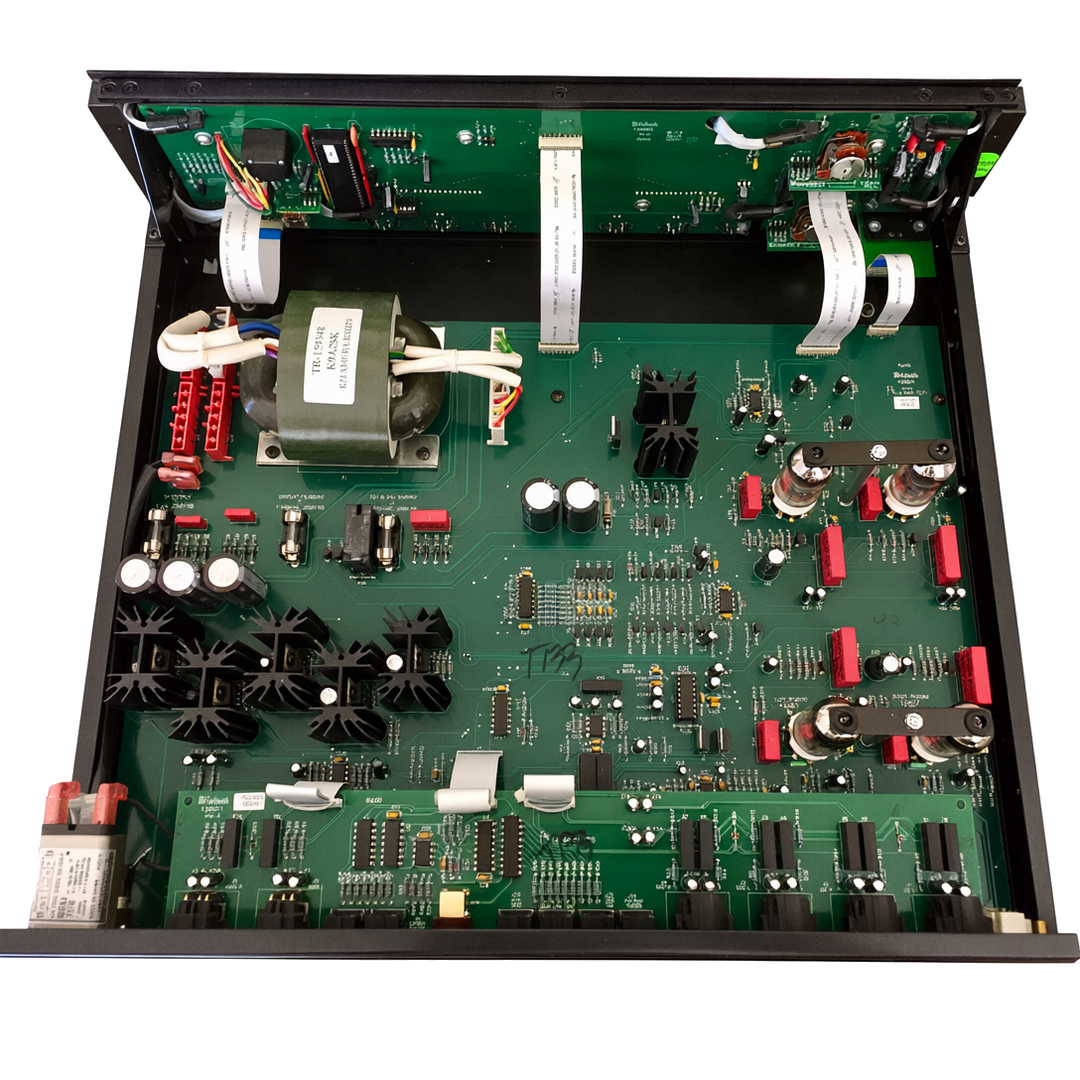
The C2200 above it in the range gives you those blue meters, showing preamplifier output level rather than amplifier watts. It also has more balanced connections and a more extensive valve complement, with a mix of valve types where the C220 uses the same type throughout. There is more to that distinction than the faceplate. The extra connections may matter with several balanced sources, and the C2200 has a processor pass-through function for a shared music and cinema system. Both have moving-magnet phono stages. More valves alone wouldn't settle a choice for me; the controls and connections need to suit the system as well.
Two singers together, then one alone
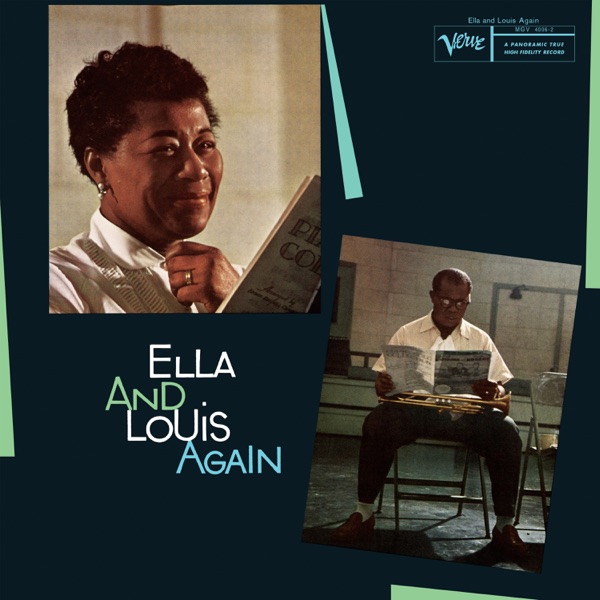
Album: Ella and Louis Again
Artist: Ella Fitzgerald and Louis Armstrong
Track: “Stompin’ at the Savoy”
Source: CD
Format: PCM · 16-bit / 44.1 kHz
For a CD audition, I’d suggest Ella Fitzgerald and Louis Armstrong’s Ella and Louis Again. Start with “Stompin’ at the Savoy”, following the phrases as they pass between the singers and Armstrong’s trumpet joins in. Then try “Learnin’ the Blues”. Their voices are wonderfully different, but the timing and humour matter just as much as the sound of either voice. Take a familiar edition and let the performances run.
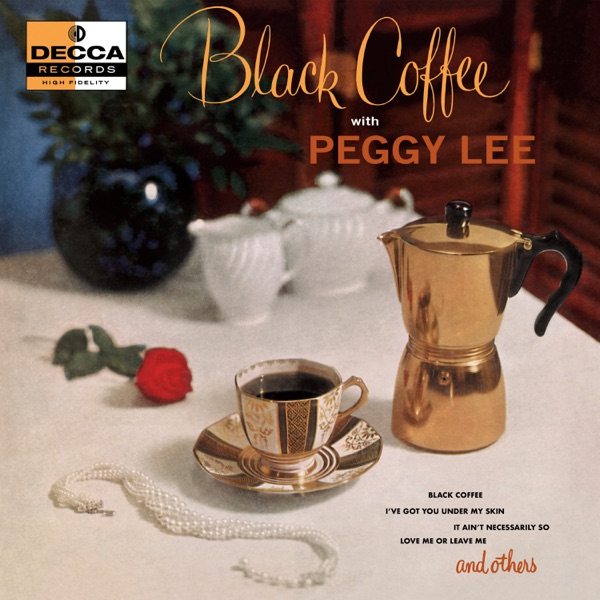
Album: Black Coffee
Artist: Peggy Lee
Track: “Black Coffee”
Source: CD
Format: PCM · 16-bit / 44.1 kHz
Peggy Lee’s “Black Coffee” is a different proposition. The pace gives you time to hear the way she shapes a word and then lets the accompaniment have the space at the end of the line. I’d begin with the controls bypassed. If you do try a treble adjustment, come back to the same phrase and listen to the breath and diction as well as the instruments around her. An older vocal recording can be an excellent test of how gently a control acts. The aim is to enjoy the singer’s timing over the whole song.
The controls an owner actually uses
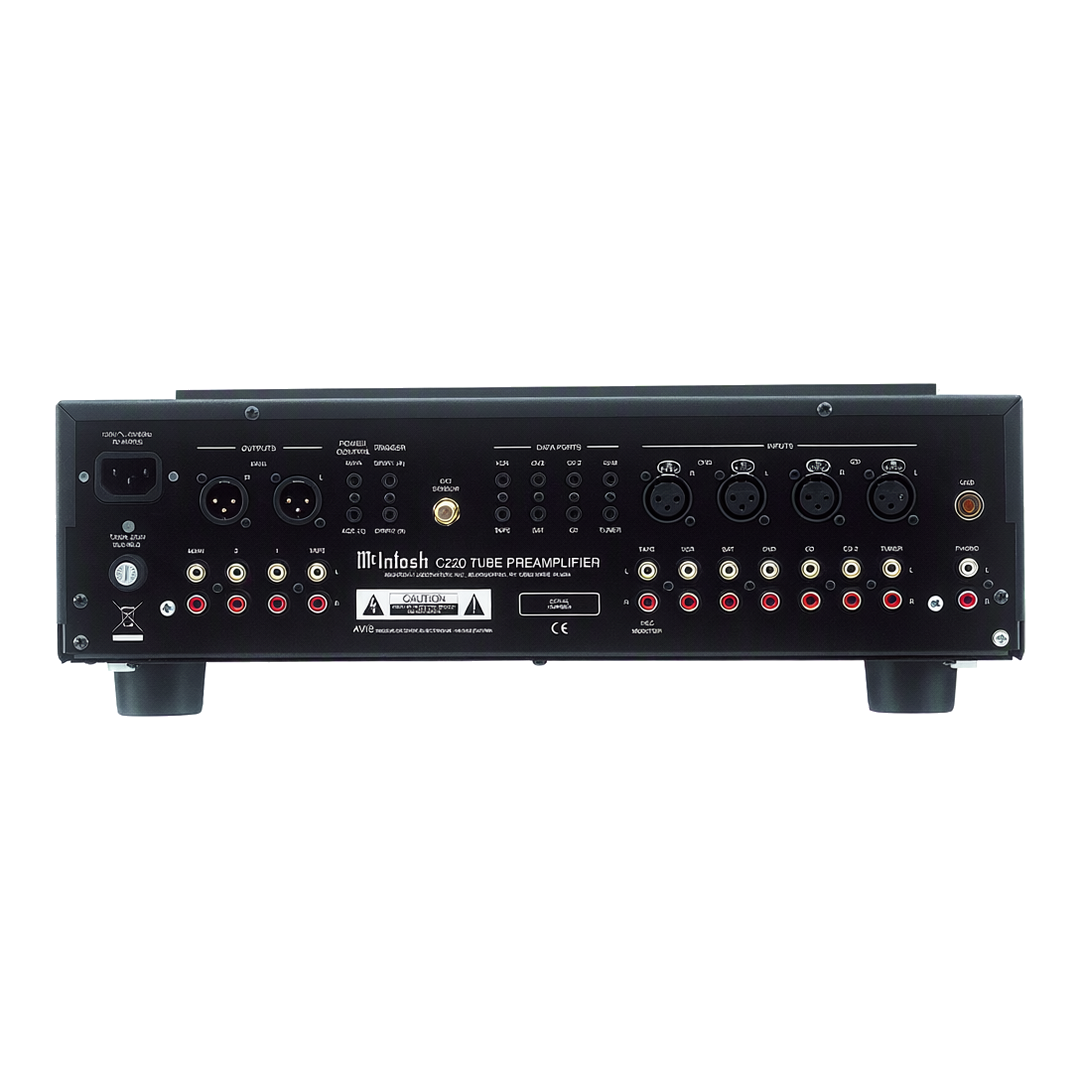
There’s useful housekeeping in the setup menu. Source trims let you reduce the jump in loudness between inputs, and unused sources can be taken out of the selection. That last option has another purpose for phono. Set PHONO to OFF in Setup and power is removed from the phono valves. Selecting CD on its own doesn’t do that. The built-in phono stage suits moving-magnet cartridges; a low-output moving-coil cartridge needs suitable extra amplification.
Try the front volume knob and the remote when auditioning a C220. The knob can change level briskly, so the remote is worth trying for smaller adjustments. Check it at the quieter levels you actually use, as well as with the music turned up. A control you handle every evening deserves more attention than a quick twist in a showroom.
If phono matters to you, take a record and check the cartridge requirements before the demonstration. It is easy to spend the entire visit with digital because that was the source already playing. I would also give a used unit a little time at its usual operating temperature, listen between tracks from the chair and operate each input I expect to use. Those checks bear directly on what it will be like to own this particular example.
For me the C220’s appeal lies in a pleasantly open, warm presentation and a set of controls that acknowledge the records we actually listen to. The MC501s and Sashas gave it a serious system to work in. I would choose it for a listener who likes that balance and wants the freedom to ease a bright record back a little. Being able to do that, then return to bypass for Peggy Lee, is a feature I would use long after the novelty of the illuminated front panel had worn off.
Specifications
Manufacturer specifications for the McIntosh C220, with explicitly labelled C2200 comparison rows. Original manuals and C220 brochure; these are not owner measurements.
| Specification | Details |
|---|---|
| Type | Stereo valve analogue preamplifier with moving-magnet phono stage |
| Valves | 4 × 12AX7A: 2 for line-level circuitry, 2 for phono |
| Inputs | 7 stereo RCA line inputs; 2 stereo XLR alternatives sharing source assignments; 1 stereo RCA moving-magnet phono input |
| Outputs | 2 switchable stereo RCA line outputs; 1 stereo XLR line output; fixed stereo RCA record output; 6.35 mm headphone jack |
| Frequency response | 20 Hz–20 kHz, +0/−0.5 dB |
| Total harmonic distortion | 0.08%, 20 Hz–20 kHz |
| Voltage gain | Line to main output: 15 dB; phono to main output: 55 dB |
| Input sensitivity | For rated output: 450 mV RCA line; 900 mV XLR line; 4.5 mV phono |
| Input impedance | Line: 22 kΩ; phono: 47 kΩ and 65 pF |
| Output impedance | 250 Ω |
| Maximum output | 8 V RMS unbalanced; 16 V RMS balanced |
| Dimensions (W × H × D) | 444.5 × 152.4 × 457.2 mm; height includes feet, depth includes front panel, knobs and cables |
| Net weight | 9.59 kg |
| Power consumption | 75 W; use the supply voltage specified on the rear panel |
| C2200 comparison — valves | 8 total: line stage 2 × 12AX7A and 2 × 12AT7A; phono stage 2 × 12AX7A and 2 × 12AT7A. C220 uses 4 × 12AX7A in total. |
| C2200 comparison — balanced connections and meters | 4 stereo XLR inputs and 3 stereo XLR outputs; blue meters indicate preamplifier output level. C220 has 2 XLR input alternatives and 1 XLR output pair. |