
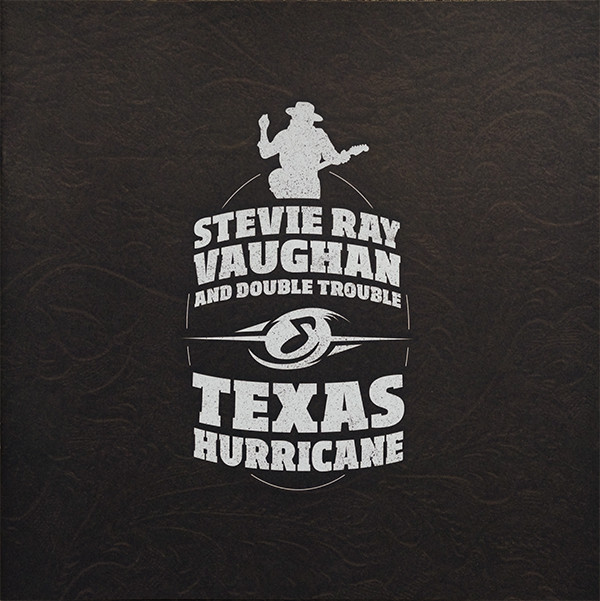
I went looking for my first SACD and bought six Stevie Ray Vaughan albums. That should tell you something about how keen I was to get started. I’m a big fan of Stevie, and Analogue Productions’ Texas Hurricane gave me a lot of his music to get into: six hybrid stereo SACDs in one box.
The Esoteric P-02X SACD/CD transport and its matching D-02X digital-to-analogue converter had recently joined my system. I’d researched the equipment as the system evolved, and now I was dying to try an SACD through the pair. Choosing Stevie gave me music I already cared about while I explored what the Esoterics could do with it.
Stevie gives you plenty to think about musically, too. There’s the push of Pride and Joy on Texas Flood, then the gentler guitar of Lenny at the end of the original album. Couldn’t Stand the Weather stretches from the frantic Scuttle Buttin’ to the slow blues of Tin Pan Alley. He could send notes flying, but there was so much more to him than speed.
The six albums let you follow that further. Reese Wynans’ keyboards broaden the band on Soul to Soul. In Step eventually settles into the jazz of Riviera Paradise, while Family Style puts Stevie alongside his brother Jimmie, with Nile Rodgers producing. The Sky Is Crying closes its original programme with the acoustic Life by the Drop. A lot of Stevie, and a lot of different sides to his playing.
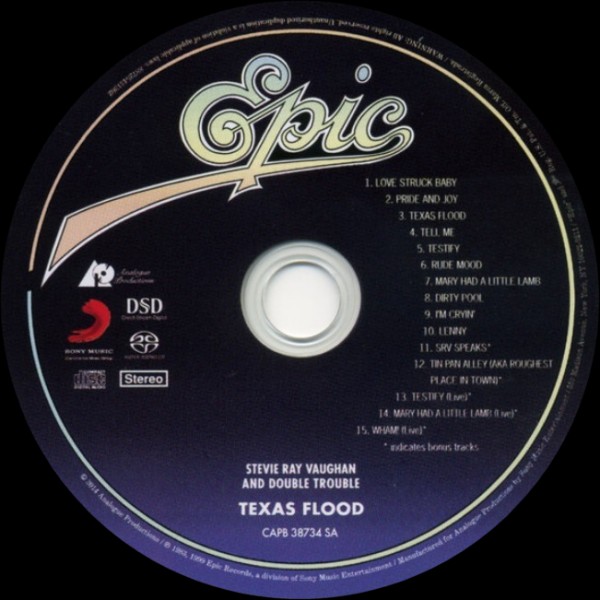
For my comparison with Qobuz, I used Texas Flood. The musicality and clarity from the SACD were next level. I found the sound dynamic and nuanced, with clear vocals and instruments and a spacious presentation. The expression in those guitar notes and bends mattered to me. That’s the attraction of getting more from the system: hearing more of the music you already care about.
But the work starts long before a disc reaches the transport. Once the recorded parts have been mixed together, a mastering engineer prepares that finished mix for release. EQ can adjust its tonal balance. Compression controls the difference between louder and quieter passages; limiting catches peaks so the overall level can be raised.
Used with care, those tools can help. Push too hard and the sharp start of a guitar note can lose its bite. Quiet and loud passages move closer together, and music that once had room to breathe can feel crowded. Depth and separation can suffer. The recording and mix establish the space in the first place, so no disc format can simply put it back if processing has obscured it.
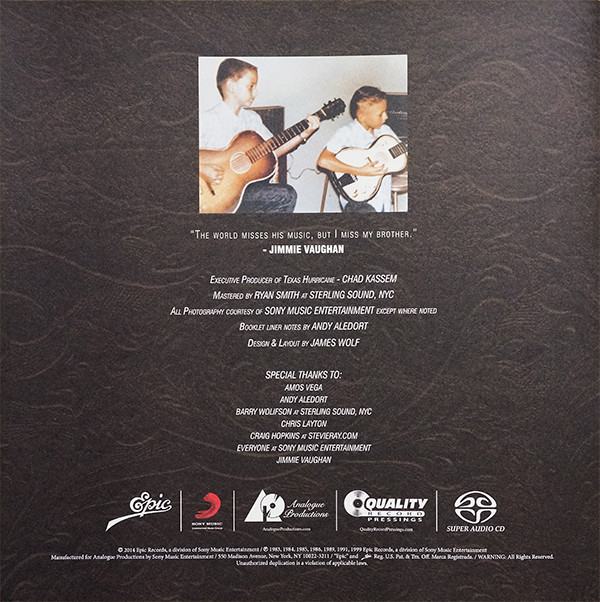
Acoustic Sounds and Elusive Disc both list this set among their SACDs. Analogue Productions identifies original analogue tapes and mastering at Sterling Sound. The label also says it corrected a source problem affecting some earlier Soul to Soul reissues, including Life Without You. That’s a release detail worth investigating when you’re choosing which version to bring home.
None of that means the Qobuz stream was badly mastered. Its particular edition and the playback chain matter to a comparison too. Qobuz uses lossless FLAC: the file is compressed for storage and delivery, but its audio data can be recovered intact. That has nothing to do with squeezing the loud and quiet parts together. An SACD badge alone doesn’t settle which version will sound better.
Streaming makes choosing something to play wonderfully easy. Some music lovers prefer to lower a needle, and some still want to spin these shiny little discs. I wanted to hear SACD, and Stevie gave me six albums to get into. Having chosen the Esoterics with care, I want to give the recordings going through them just as much attention.